Rainwater Collection Systems
Rainwater collection is the process of collecting and storing rainwater on your property for future use. This can be done using a rain barrel or a more extensive rainwater harvesting system. If you're looking for an eco-friendly and cost-effective way to water your lawn and garden, a rainwater collection system installation in Austin, Texas, is the perfect solution.
Types of Rainwater Collection Systems We Provide
At Violet Crown Landscape and Designs, we offer a range of rainwater collection systems designed to help homeowners and businesses in Austin, TX, sustainably manage water resources for their lawns and gardens. The main types of rainwater collection systems we provide are basic barrel systems, above-ground tank systems, underground cistern systems, and integrated irrigation systems.
Basic Barrel Systems
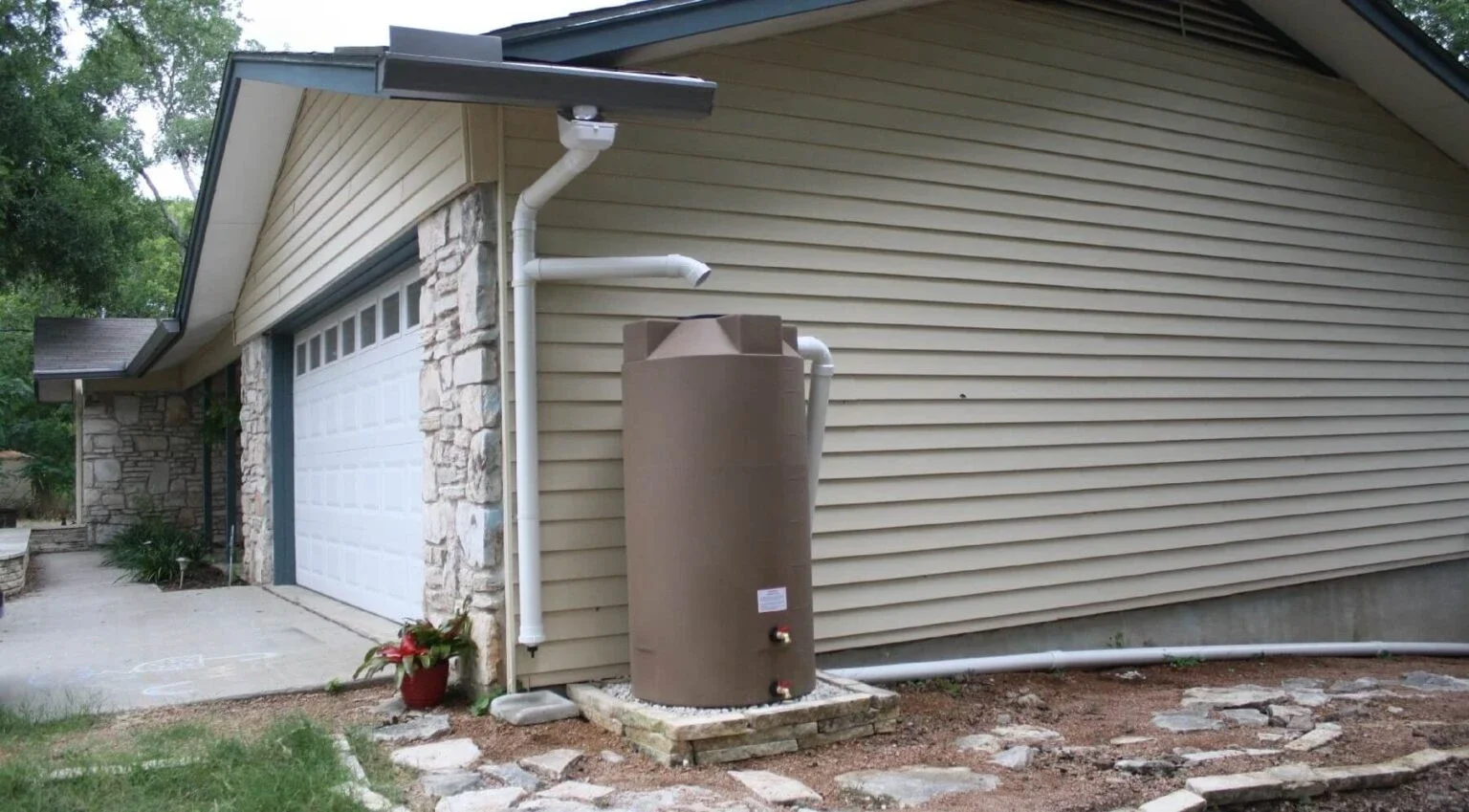
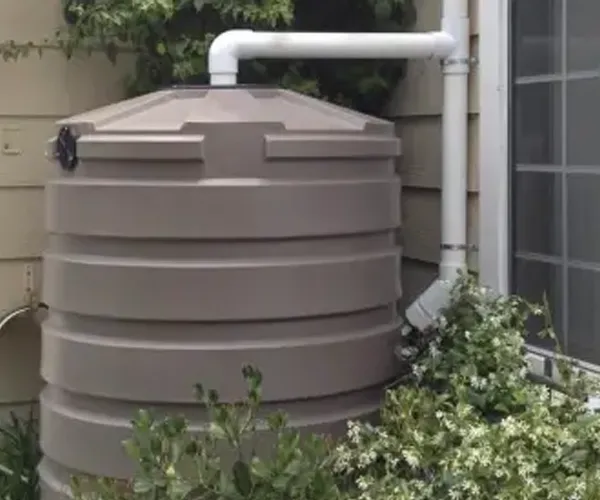
Basic barrel systems are an excellent starting point for those new to rainwater harvesting. These systems typically involve installing one or more barrels connected to your home's downspouts to capture rainwater from the roof. They are inexpensive, simple to install, and suitable for watering plants and small landscapes. Customizable options are available to enhance storage capacity and functionality.
Above-Ground Tank Systems
For those with larger irrigation needs, above-ground tank systems offer a practical solution. These systems utilize durable, weather-resistant tanks that can store hundreds to thousands of gallons of rainwater. Above-ground tanks, which have excellent filtration and pumping mechanisms, keep the stored water clean and easily available for large garden and lawn watering.
Underground Cistern Systems
Underground cistern systems are perfect for properties where space is limited or where maintaining landscape aesthetics is a priority. These systems involve installing large storage tanks below ground, providing substantial storage capacity without impacting the visible landscape. Underground cisterns, which are equipped with advanced filtration and pumping systems, may efficiently supply water for large areas of irrigation.
Integrated Irrigation Systems
Our integrated irrigation systems combine rainwater collection with automated irrigation solutions. These systems collect rainwater, store it in tanks or cisterns, and use smart controllers to distribute the water efficiently across your garden or lawn. This setup optimizes water usage, reduces reliance on municipal water, and ensures your plants receive consistent hydration.
Our Installation Process for Rainwater Collection Systems
Our installation process for a rainwater collection system will depend on the type and size of the system you choose. However, our basic installation process includes:
- Site Inspection: Our professional installer will inspect your property to determine the best location for your rainwater collection system.
- Design: Our installer will design the system, including the size of the storage tank, gutter system, and overflow system.
- Installation: Our installer will install the system, including the gutter system, storage tank, and any additional components.
- Testing: Our installer will test the system to ensure it is working correctly.
Benefits of Installing a Rainwater Collection System
Austin, Texas has a semi-arid climate, which means that water can be a scarce resource during drought conditions. Collecting rainwater is an eco-friendly and cost-effective way to conserve water and reduce your utility bill. Here are some of the benefits of installing a rainwater collection system:
- Reduced water bill: Collecting rainwater can help you save money on your water bill.
- Eco-friendly: Rainwater is a renewable resource, and collecting it can help conserve municipal water supplies.
- Better plant health: Rainwater is free of chemicals and minerals, making it better for your lawn and garden than tap water.
- Reduces stormwater runoff: Collecting rainwater can help reduce the amount of stormwater runoff, which can prevent flooding and reduce water pollution.
Contact Us Today For Your Rainwater Collection System Installation
A rainwater collection system installation in Austin, TX, is an excellent way to conserve water and reduce your utility bill. With the right installation and maintenance, your rainwater collection system can provide you with a reliable source of water for your lawn and garden. Contact our professional installers today at (512) 653-1321 to learn more about how a rainwater collection system can benefit your property.