Residential Landscape Design Case Study: From Vision to Reality in Austin
Austin Backyard Case Study Residential Landscape Design Results
Many Austin backyards sit unused, not because they lack potential, but because key elements like spacing, water distribution, and plant selection do not align with the environment or how homeowners truly want to live. What should feel like an extension of the home often becomes overlooked.
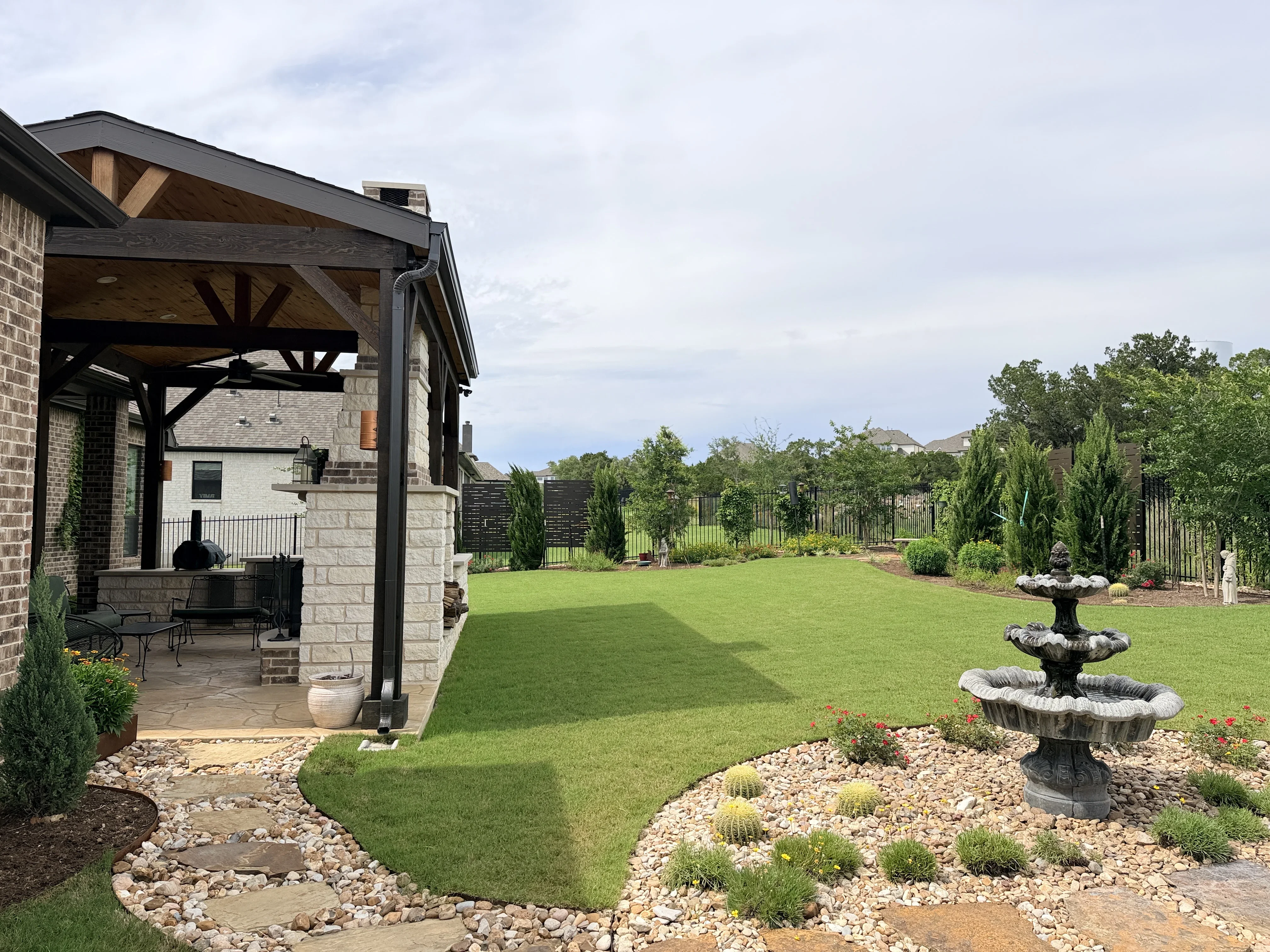
This case study highlights how a thoughtful residential landscape design project by Violet Crown Austin Landscape and Design transformed an underused yard into a space that feels comfortable and inviting. With a more intentional approach, the space now supports everyday living, connection, and long-term enjoyment.
Client Challenge in Residential Landscape Design
The yard looked complete at first glance, but it did not invite the homeowner to spend time in it. Evenings were often spent indoors, and the space felt disconnected rather than comfortable.
Moving through the yard felt awkward, with no natural place to pause or settle in. Earlier updates had been made, but they only addressed surface-level issues, leaving the overall experience unchanged.
Main Limitations:
- Limited usable space due to an inefficient layout
- No defined area for seating
- Inconsistent irrigation coverage
- Plant selection not suited for local conditions
- Compacted soil affecting water absorption
These challenges are common in Austin properties where outdoor spaces develop without a clear direction. Many homeowners begin searching for landscape renovation Austin solutions after realizing small fixes are not enough to improve how the space feels.
The Vision: Shaping a Space That Feels Effortless
Focus shifted beyond appearance toward creating a space that feels comfortable to spend time in, without requiring constant upkeep or adjustment.
A setting was needed that supports both quiet moments outdoors and time shared with others, while remaining easy to care for throughout the year. Plant selections suited for local conditions play an important role in achieving this balance, with region-specific guidance available through resources like the Lady Bird Johnson Wildflower Center.
Project Priorities:
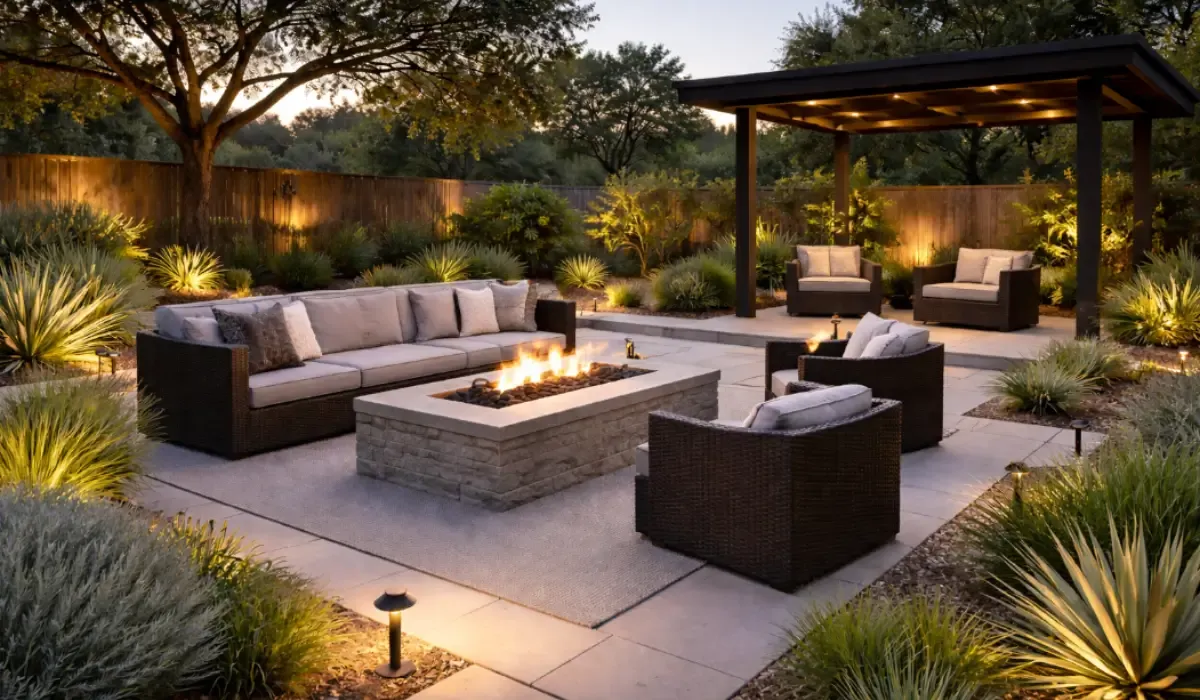
- A dedicated area designed for relaxing and hosting
- Clear movement between key areas without interruption
- Plant selections suited for local climate conditions
- Lighting that extends use into the evening hours
- Privacy that feels open rather than enclosed
Projects that succeed at this level often fall under custom landscaping Austin, where each decision is shaped around how the homeowner wants to experience the space.
Design and Build Approach
Projects that succeed at this level often fall under custom landscaping Austin, where each decision is shaped around how the homeowner wants to experience the space.
1. Site Evaluation
Understanding existing conditions came first.
Key factors reviewed:
- Soil composition and structure
- Drainage behavior across the yard
- Sun and shade exposure throughout the day
- Irrigation performance and coverage
Early findings helped prevent common issues such as uneven growth, water runoff, and plant stress.
2. Space Planning and Visualization
Planning focused on how each area connects and supports daily use.
This stage involved:
- Selecting materials such as limestone and gravel
- Defining zones for seating, planting, and movement
- Reviewing scaled drawings to confirm proportions and spacing
This level of planning is common in landscape design Austin projects where layout decisions directly influence how a space feels and functions.
Expert Insight:
“Layout decisions influence how often a space gets used. Materials support the design, but they cannot correct a layout that does not work.”, Landscape Designer, Austin TX
3. Structural Installation
Construction centered on establishing a clear framework for movement and accessibility.
Work included:
- Building a limestone patio for seating
- Adding walkways to connect key areas
- Improving irrigation for more consistent coverage
Each addition made the yard easier to navigate and more comfortable to spend time in.
4. Planting and Final Details
Final elements brought balance and visual cohesion to the space.
Work included:
- Installing drought-tolerant plants suited for local conditions
- Enhancing soil to support healthy root development
- Integrating lighting for evening visibility
Careful spacing ensured the landscape would continue to look balanced as it matured. In some cases, early front yard landscape planning is also considered to maintain consistency across the entire property.
Planning your outdoor space takes more than ideas, it requires the right layout, materials, and timing. See what’s possible with a clear plan built around your property and goals.
Before and After in Residential Landscape Design
Layout and Experience
Before:
- Open space with no defined purpose
After:
- Dedicated seating area
- Clearly arranged zones that make the space feel intentional
Visibility and Access
Before:
- Low visibility after sunset
- No defined walking paths
After:
- Integrated lighting system
- Pathways that guide movement comfortably
Homeowner Feedback
“We use the backyard almost every evening now. It finally feels complete.”
This response reflects more than a visual upgrade. It highlights a shift in how the space feels day to day, turning it into a place the homeowner naturally returns to.
Common Missteps in Similar Projects
Many outdoor upgrades fall short because decisions are made in isolation rather than as part of a cohesive plan.
Frequent Issues:
- Treating planting, hardscape, and layout as separate decisions
- Adding features without considering how the space comes together as a whole
- Relying on short-term fixes instead of lasting solutions
- Prioritizing visual changes without improving overall experience
Projects tend to struggle when individual elements are added without a clear direction guiding how everything connects.
Key Takeaways for Austin Homeowners
Start With a Clear Direction
A well-defined plan helps guide decisions and prevents costly adjustments later.
Think Beyond Individual Features
Each element should contribute to a cohesive space rather than stand on its own.
Create a Space That Feels Balanced
Comfort, usability, and appearance should work together, not compete.
Plan for Growth and Change
Outdoor spaces evolve over time, so design choices should account for how the space will mature. A complete landscape renovation Austin approach often considers these long-term factors from the beginning.
FAQ: Residential Landscape Design in Austin
How Long Does A Typical Project Take?
Most projects take 2 to 4 weeks, depending on size and complexity.
What Plants Work Best In Austin?
Native and drought-tolerant plants perform best due to heat and water restrictions.
When Should I Start Planning?
Late winter is ideal so installation can be completed before peak spring demand.
Do I Need Irrigation Upgrades?
In most cases, yes. Efficient irrigation is essential for long-term plant health.
Ready to Plan Your Outdoor Space?
A well-planned residential landscape design project does more than improve how a yard looks. It changes how the space is experienced over time, turning it into a place for gathering and relaxation.
Projects that follow a structured design-build landscaping approach tend to deliver more consistent results, from layout to final planting. Strong results often begin with thoughtful landscape design planning before installation begins.
View more projects in our gallery or reach out to Violet Crown Austin Landscape and Design to start planning a space designed around your home and how you want to use it.
Want to turn your vision into reality? Book a residential landscape design consult with us today.