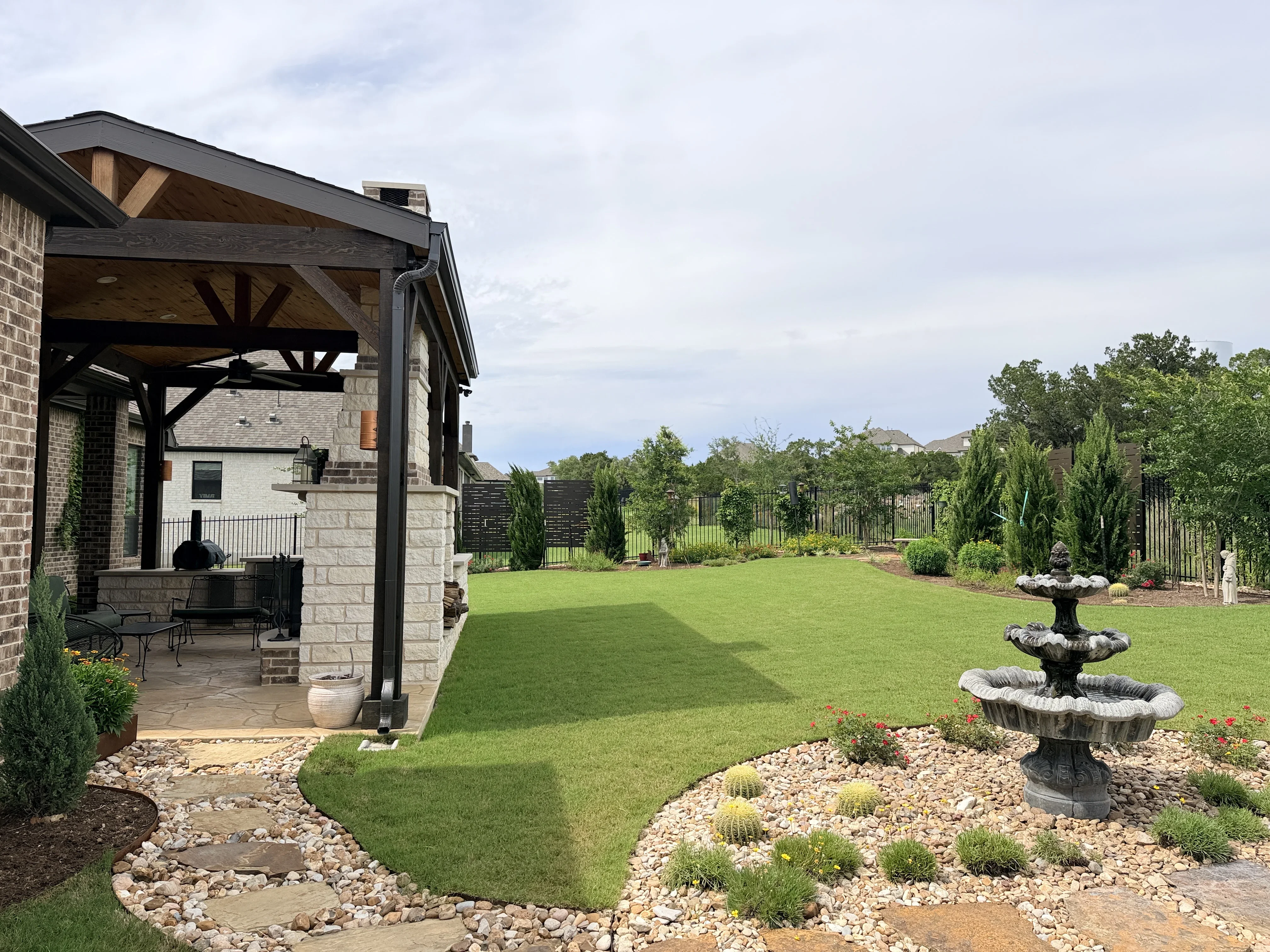
Garden Design Prep: Choosing the Right Layout for Spring Planting
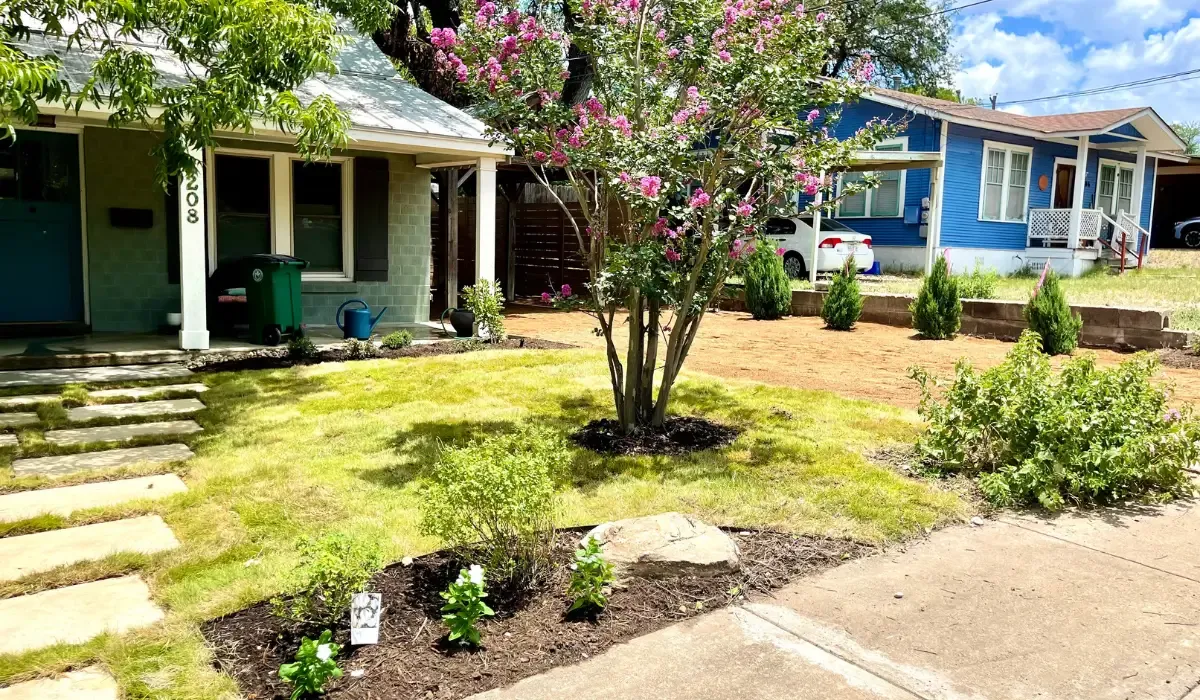
Spring Planting Success Starts With Smart Design
Spring planting begins with preparation, not impulse. The key to a lush spring garden? Smart February planning. Here’s how to design a layout that fits your space, climate, and style. Before purchasing plants, map sunlight, evaluate soil, and define your garden’s purpose. A thoughtful structure improves drainage, airflow, and long-term growth while preventing overcrowding and poor placement.
Whether you envision structured layouts from our Garden designs service or a relaxed backyard retreat, Violet Crown Austin Landscaping and Design turns early planning into lasting results. In Austin’s late-winter climate, layout decisions made now make spring planting smoother, healthier, and far more successful once the season fully arrives.
Start with a Purpose, What Kind of Garden Do You Want?
Before sketching beds or buying plants, define your goal. Every successful layout starts with clarity.
Are you picturing:
• A pollinator-friendly retreat with bees and butterflies?
• A kitchen garden filled with herbs and seasonal vegetables?
• A decorative floral display?
• A clean native layout focused on low water use?
Clear purpose prevents overcrowding and mismatched plant choices during spring planting. If you’re considering structured garden designs, think about how you’ll actually use the space. In Austin’s USDA Zone 8b climate (as classified by the official USDA Plant Hardiness Zone Map, early February planning gives cool-season crops time to establish before heat arrives, setting up smoother spring planting overall.
Layout Strategies That Support Spring Planting
Here we are going to break down layout strategy by scale.
Small Space Hacks
Limited square footage doesn’t mean limited impact. Vertical trellises, tiered planters, and narrow border beds maximize usable area during spring planting without crowding walkways. Keep pathways at least 18 to 24 inches wide to maintain comfort and airflow.
Mapping sunlight is critical. Spend one full day observing where light hits in the morning and afternoon. Austin’s winter sun angle differs from late-season intensity. Proper alignment improves plant health and reduces transplant stress once new growth begins.
Sun and Shade Mapping
Create a simple sketch and mark:
- Full sun areas (6+ hours)
- Partial shade zones
- Deep shade corners
- Drainage patterns after rainfall
Poor light alignment is one of the most common issues we see in residential landscaping Austin TX projects. Beds positioned without proper solar planning often struggle once installation begins and temperatures rise.
Raised Beds, Borders, and Structure
Raised beds warm faster in late winter, making them ideal for early crops and seasonal installations. They also improve drainage in Austin’s clay-heavy soils and help reduce root rot risk as temperatures begin to climb.
Defined borders create clean lines, especially in front yard layouts. If curb appeal matters, intentional edging can turn basic garden layout ideas into structured focal points.
Now that you’ve mapped your space, plant selection becomes easier.
Thoughtful planning today prevents frustration later during spring planting. Secure expert layout guidance tailored to Austin’s climate and soil conditions. Schedule personalized support now and move forward with confidence:
Choosing the Right Plants in February
February is reservation season. Popular varieties sell quickly before peak spring planting demand, so securing plants early prevents delays.
What to Order or Reserve Now
- Native perennials
- Drought-tolerant shrubs
- Early vegetable starters
- Pollinator-friendly bloomers
Early ordering prevents last-minute substitutions when spring planting schedules tighten.
In Austin, native plant landscaping offers a practical advantage. Texas sage, salvia, and blackfoot daisy develop deeper roots when selected and positioned before spring planting begins. Establishing placement early also reduces transplant shock as temperatures rise.
Additional plant-planning facts to consider:
• Cool-season vegetables like lettuce and spinach tolerate soil temperatures as low as 45 to 50°F.
• Deep-rooted natives improve soil structure over time.
• Grouping plants with similar water needs reduces irrigation waste.
• Bloom timing should stagger from early March into late May for continuous color.
Color and Texture Layering Tips
- Tall anchors in back
- Mid-height fillers in the center
- Groundcover or edging in front
Repeating colors in small clusters improves cohesion and avoids the scattered look that often happens during rushed spring planting.
Prep Tasks to Strengthen Spring Planting Results
Proper preparation now prevents costly setbacks later and sets the foundation for strong, healthy growth.
Soil Testing and Amending
Austin soil ranges from limestone-based to dense Blackland clay. A simple soil test reveals pH levels and nutrient gaps before installation begins.
Amend heavy clay with:
- Compost
- Expanded shale
- Organic matter
Healthy soil improves drainage and reduces root rot risk as temperatures rise.
Building Beds and Containers
Install beds early so materials settle before seasonal installation. Freshly placed structures can compact surrounding soil, limiting root expansion.
Maintain mulch depth at 2 to 3 inches to conserve moisture and regulate soil temperature during active growth periods.
Irrigation Planning
Drip irrigation uses 30 to 50% less water than overhead systems. Planning irrigation in advance ensures even moisture distribution and prevents patchy growth. On larger residential landscaping Austin TX properties, irrigation zoning reduces runoff and protects plant roots during peak heat.
Common Garden Layout Mistakes to Avoid
Even well-intentioned plans can unravel during spring planting.
Poor Sunlight Alignment
Ignoring seasonal shade shifts leads to weak growth. Austin’s late-season sun intensifies quickly, and improper placement can scorch young plants or dry soil faster than expected.
Ignoring Walkability
Paths should measure at least 24 inches wide for comfortable movement. Overcrowded beds restrict airflow and complicate maintenance.
In backyard gardening Austin properties, narrow pathways often turn into mud traps during irrigation cycles.
Overplanting or Under-Spaced Designs
Spacing determines long-term health. Roots need expansion room to support foliage as growth accelerates and temperatures rise.
Dense garden designs may look full early on but often decline by midsummer due to competition. Clean, balanced layouts in custom garden design projects typically outperform overcrowded plans in durability and ease of care.
February Planning Makes Spring Planting Easier
Smart February preparation gives you control before the busy season begins. Thoughtful layout planning strengthens spring planting results and reduces costly corrections later. Violet Crown Austin Landscaping and Design has helped hundreds of homeowners create outdoor spaces that balance beauty, sustainability, and long-term performance in Central Texas conditions.
For structured planning support, visit our Garden Designs service. You can browse our Gallery for real project inspiration or review common questions in our FAQs. The groundwork completed now determines how your yard performs as the season progresses and growth accelerates across your landscape.
Let’s design a garden that thrives in spring and stuns all year. Secure your design consult before March to protect your planting window and avoid last-minute rush decisions.