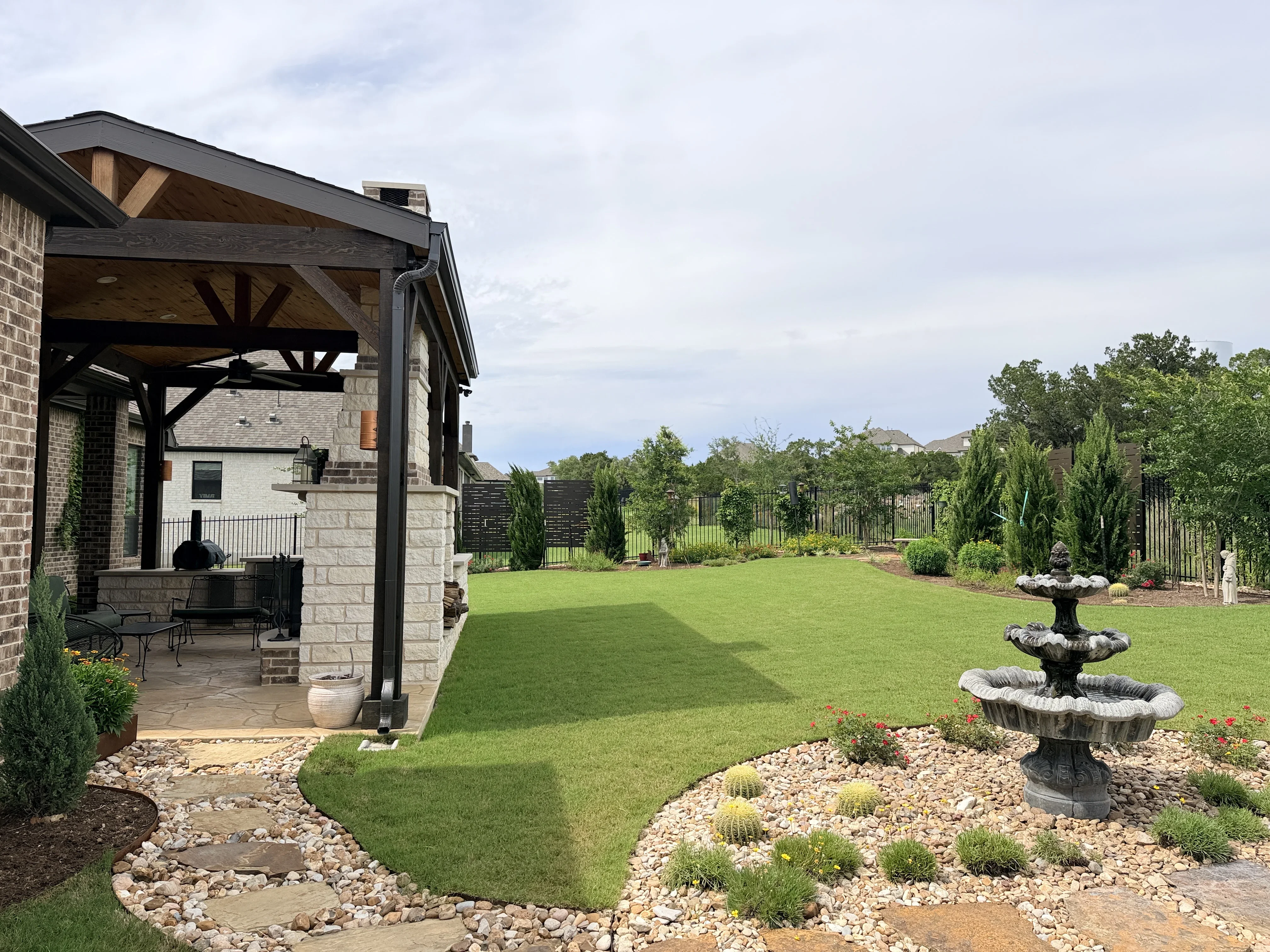
Sustainable Garden Landscaping: Austin Home Environmental Designs
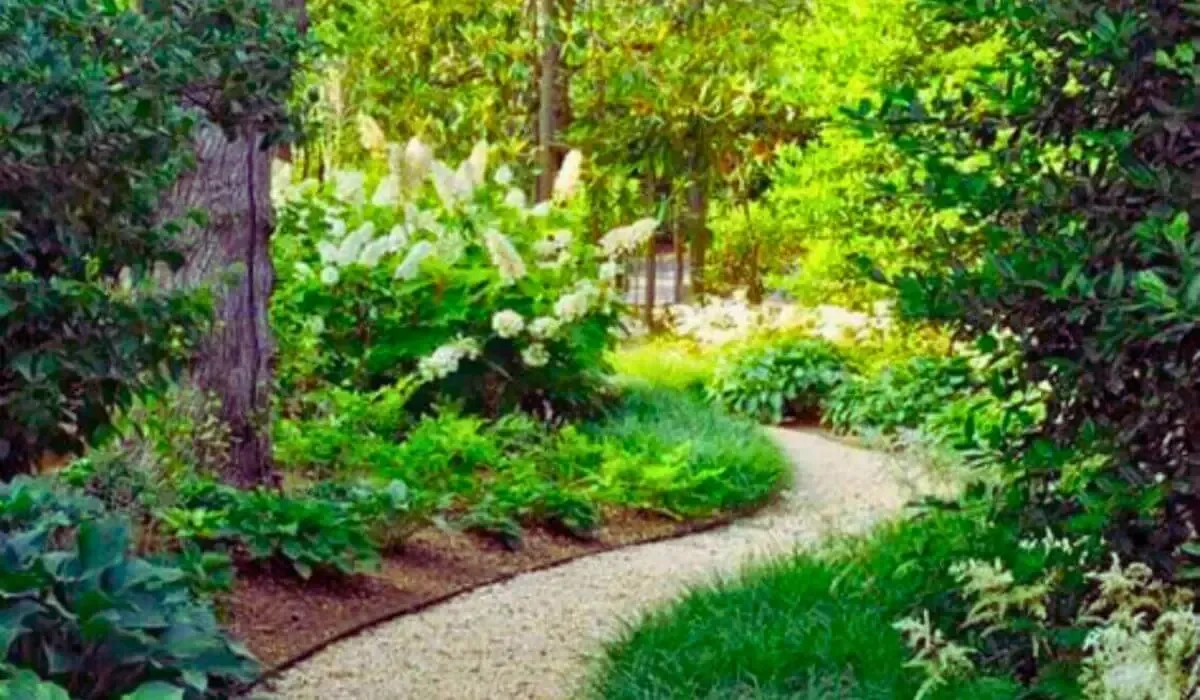
Expert Garden Landscaping Tips For Austin Homes
Did you know that sustainable landscaping can reduce your water bill by up to 50% while enhancing biodiversity in your garden?
Sustainable garden landscaping is essential for homeowners in Austin, offering a way to create beautiful outdoor spaces while protecting the environment. At Violet Crown Austin Landscaping and Designs, we focus on creating eco-friendly gardens tailored to Austin's unique climate. Check out our innovative services, explore our stunning gallery, or schedule a consultation today to start your journey towards a sustainable garden. Don’t take our word for it, read our glowing reviews to see the difference we've made for other Austin homeowners.
Key Principles Of Sustainable Garden Landscaping Designs
Creating a sustainable landscape designs involves several key principles that ensure your outdoor space is both eco-friendly and beautiful. These principles help conserve resources, support local wildlife, and create a healthier environment. Below are some essential practices we use to achieve sustainability.
1. Using Native Plants
Native plants are perfectly suited to Austin's unique climate and soil, requiring minimal water, fewer chemicals, and less maintenance. By incorporating species such as Texas Sage, Bluebonnets, and Blackfoot Daisy, your garden becomes a haven for local wildlife, including bees and butterflies, while also conserving vital resources. Incorporating native plants into your garden design not only benefits the environment but also supports local wildlife. Learn more about the benefits of native plants from the Texas Parks and Wildlife Department.
- Adaptation To Local Climate
Native plants are well-suited to the local climate and soil, making them easier to care for. They need less water and are more resistant to local pests and diseases. Examples of native plants for Austin include Texas Sage, Bluebonnets, and Blackfoot Daisy.
- Supporting Local Wildlife
These plants provide food and shelter for local wildlife, such as bees and butterflies. This helps keep the ecosystem balanced and boosts biodiversity in your garden. By choosing native plants, you help preserve the local environment.
For instance, a garden designed with Bluebonnets and Texas Sage attracted numerous butterflies and required minimal watering, showcasing the benefits of using native plants.
2. Water Conservation Techniques
In Austin, where water can be scarce, it's essential to implement practices that minimize water usage while maintaining a healthy and vibrant garden. Our water conservation techniques are designed to ensure your garden thrives without wasting this precious resource. Rainwater harvesting collects and stores rainwater for garden use. For more information, visit the Texas Water Development Board.
- Drip Irrigation
Drip irrigation delivers water directly to plant roots, reducing water waste. This method ensures plants get the right amount of water, minimizing runoff and evaporation. Automated systems with timers and moisture sensors can further optimize water use by adjusting watering schedules based on soil moisture levels.
- Rainwater Harvesting
Rainwater harvesting collects and stores rainwater for garden use. This saves municipal water and reduces water bills. A basic system includes gutters, downspouts, a storage tank (cistern), and a distribution system, such as a gravity-fed or pump-fed irrigation network.
- Xeriscaping
Xeriscaping designs landscapes to need less water. This includes using drought-tolerant plants, mulching to keep soil moist, and creating water-efficient layouts. Xeriscaping principles also involve contouring the land to capture and retain rainfall. In dry areas like Austin, using permeable paving materials can further enhance water infiltration and reduce runoff.
One of our projects included installing a rainwater harvesting system that supplied all the irrigation needs for the garden, resulting in a significant reduction in water bills for the homeowner.
3. Soil Health And Composting
Maintaining healthy soil is vital for sustainable gardening. Enriching the soil through composting recycles organic waste and reduces the reliance on chemical fertilizers. Regular soil testing and the use of organic amendments ensure your garden remains fertile and resilient throughout the year. This not only enhances plant health but also supports long-term sustainability.
- Improving Soil Health
Healthy soil supports plant growth and holds water better. We improve soil by adding compost and mulch. Composting kitchen scraps and yard waste creates rich soil additives that boost fertility. The composting process involves microbial activity that breaks down organic matter into humus, which enhances soil structure and nutrient content.
- Benefits Of Mulching
Mulch helps keep soil moist, controls weeds, and keeps soil temperatures stable. Organic mulches like wood chips decompose over time, enriching the soil with organic matter. Mulch also reduces the need for chemical herbicides and fertilizers by suppressing weed growth and retaining soil moisture.
- Soil Testing And Amendments
Soil testing shows what nutrients your soil needs. Based on test results, we add specific amendments to correct any imbalances. Regular soil testing ensures your plants get the nutrients they need to grow well. Soil amendments can include lime to adjust pH levels, organic fertilizers to add nutrients, and mycorrhizal fungi to enhance root growth and nutrient uptake.
For example, a client’s garden had poor soil quality, but through regular composting and soil testing, we improved its fertility and plant health significantly over a year.
4. Energy-Efficient Outdoor Lighting
Outdoor lighting is an essential aspect of garden design that enhances both the aesthetic appeal and functionality of your space. Using energy-efficient lighting solutions not only reduces energy consumption but also minimizes environmental impact.
- Solar-Powered Lights
Solar-powered lights reduce energy use and lower utility bills. They store energy from the sun during the day and light up your garden at night. This cuts down on electricity use and greenhouse gas emissions. Solar lights typically include photovoltaic panels, rechargeable batteries, and LED bulbs.
- LED Lighting
LED lights last longer and use less energy than traditional bulbs. They provide bright, focused light and come in many styles and colors to beautify your garden. LEDs also produce less heat, making them safer and more efficient. Compared to incandescent bulbs, LEDs use up to 80% less energy and can last up to 25 times longer.
- Strategic Light Placement
Proper light placement enhances safety and beauty without wasting energy. Lights along pathways, around garden features, and near entryways create a welcoming and secure environment. Motion sensors and timers help ensure lights are only on when needed, further conserving energy. Using low-voltage lighting systems can also reduce energy consumption and increase safety.
Sustainable Garden Landscaping Solutions For Austin Homes
Creating a sustainable landscape in Austin involves tailored solutions that address the specific challenges and opportunities of the local environment. At Violet Crown Austin Landscaping and Designs, we offer various sustainable solutions designed to meet the unique needs of Austin homeowners. These solutions incorporate innovative techniques and materials to create eco-friendly and beautiful outdoor spaces.
Custom Garden Designs
We create personalized garden designs that reflect your vision and complement your home's architecture. Our designs incorporate native plants and sustainable materials to enhance the beauty and functionality of your garden.
For example, we designed a garden that utilized native plants and a rainwater harvesting system, reducing water usage and maintenance needs while providing a lush landscape.
Drought-Resistant Plants
We select drought-resistant plants that thrive in Austin's climate. These plants require less water and are more resilient to local weather conditions, reducing the need for irrigation.
One project included drought-tolerant species like Lantana, Agave, and Sage, providing a vibrant garden with minimal water requirements.
Innovative Irrigation Systems
We install advanced irrigation systems, such as drip irrigation and rainwater harvesting systems. These systems optimize water use, reduce waste, and ensure your garden receives the right amount of water.
A project combined drip irrigation with rainwater harvesting, significantly reducing water bills and maintaining garden health during dry periods.
Energy-Efficient Lighting
We use energy-efficient outdoor lighting solutions, including solar-powered and LED lights. These lights reduce energy consumption and enhance the beauty and safety of your outdoor space.
In some of our project, we used solar-powered lights to illuminate pathways and garden features, providing a beautiful nighttime aesthetic without increasing energy bills.
Sustainable Maintenance Practices
Our maintenance services include composting, mulching, and organic pest control. These practices promote soil health, reduce chemical use, and support the long-term sustainability of your garden.
A maintenance project involved regular composting and mulching, improving soil fertility and plant health, while organic pest control kept the garden free of harmful chemicals.
Why Choose Our Sustainable Garden Landscaping?
Choosing Violet Crown Austin Landscaping and Designs means working with experts dedicated to creating eco-friendly and aesthetically pleasing landscapes. We understand the unique needs of Austin’s environment and offer customized solutions that meet those needs.
Expertise In Sustainable Practices
Our team has extensive knowledge of sustainable garden landscaping techniques. We use native plants, efficient irrigation systems, and organic maintenance practices to create landscapes that are both beautiful and environmentally friendly. For example, our irrigation systems are designed to minimize water waste and maximize efficiency, keeping your garden lush with minimal water usage.
Customized Solutions
We provide personalized garden designs tailored to your specific needs and preferences. Our approach considers factors like soil health, water usage, and local climate conditions to ensure your landscape thrives. Each project begins with a detailed consultation where we assess your site and discuss your vision, ensuring the final design aligns perfectly with your expectations.
Commitment To Quality
We prioritize quality in every project, from the initial design to the final installation. Our team uses high-quality materials and the latest techniques to ensure your landscape is durable and sustainable. We also offer ongoing maintenance services to keep your garden in top condition, using composting, mulching, and organic pest control methods to support long-term health and growth.
By choosing Violet Crown Austin Landscaping and Designs, you are investing in a sustainable future for your outdoor space. Our expertise, commitment to quality, and customized solutions ensure that your landscape will be both beautiful and eco-friendly.
Ready to transform your outdoor space? Take the first step today with our free consultation offer! Explore our sustainable Austin landscape services, be inspired by our gallery, and see how we've helped homeowners just like you. Let us help you create a beautiful, sustainable landscape that enhances both your home and the environment