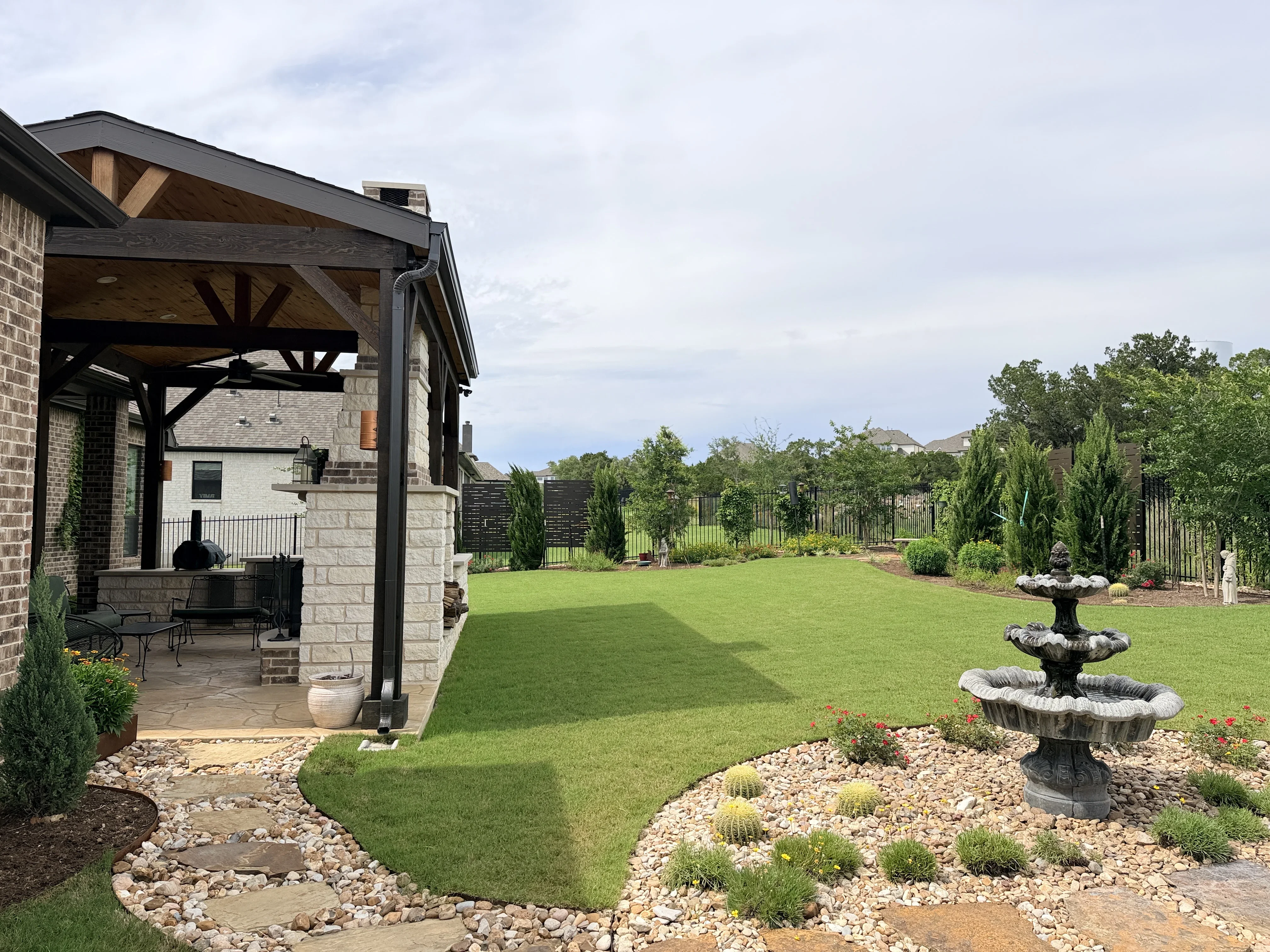
Rainwater Collection Setup: What Works Best for Central Texas Lawns
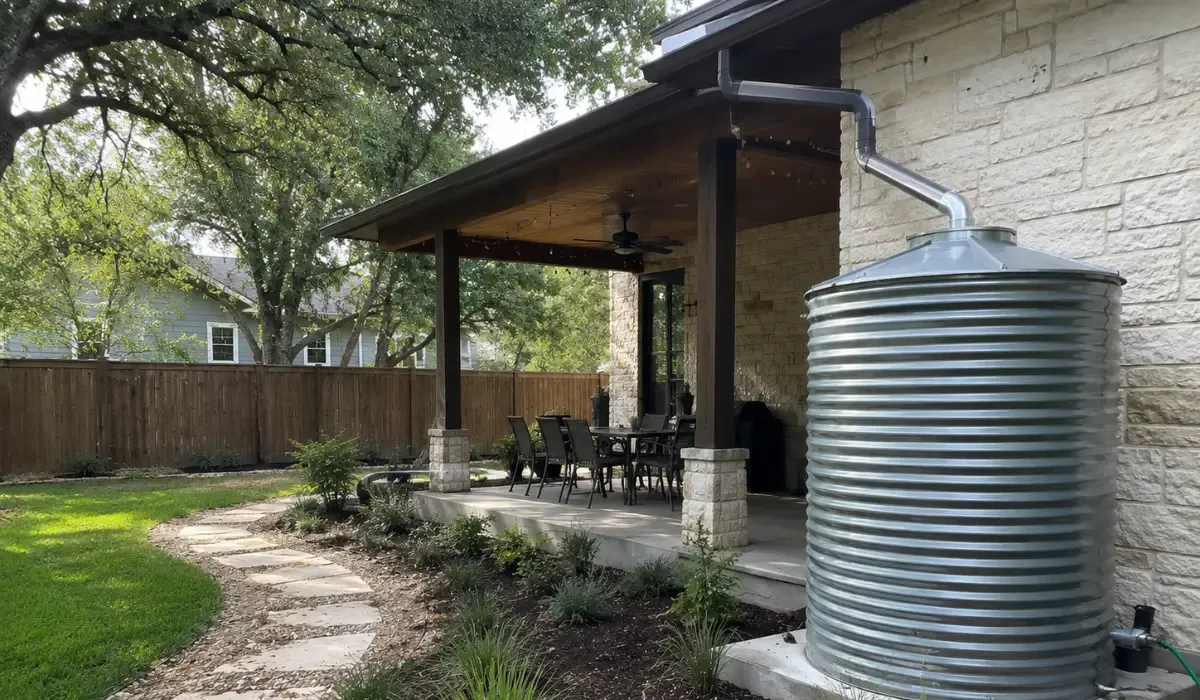
Want to save on water bills and stay green during drought? A Rainwater Collection Setup is one of the smartest ways Central Texas homeowners can conserve water before summer heat arrives. Capturing rainfall during spring storms helps landscapes remain healthier, reduces dependence on municipal water supplies, and prepares outdoor spaces for the hottest months of the year.
Violet Crown Austin Landscaping and Design helps homeowners create outdoor spaces that balance beauty, sustainability, and enduring performance. In Austin, heavy storms often give way to extended dry periods, making rainwater collection a practical investment for landscape resilience and long-term water conservation.
Why Rainwater Collection Setup Systems Work So Well in Austin
Central Texas receives rainfall in short and intense storms rather than steady precipitation throughout the year. This pattern creates an opportunity to collect water when it is available and use it when landscapes need it most during hotter and drier months.
Stored rainwater helps bridge the gap between seasonal rainfall and irrigation demands. Rather than allowing runoff to leave the property, homeowners can retain that water for lawns, planting beds, gardens, and outdoor living spaces.
Several benefits make rainwater harvesting especially effective in Austin:
- Supports water conservation goals
- Reduces dependence on municipal water
- Helps landscapes remain healthier during dry periods
- Provides non chlorinated water for plants
- Supports sustainable landscape design
Austin encourages responsible outdoor water use through the City of Austin Water Conservation Program. Even modest roofs can generate substantial runoff during spring storms, creating meaningful water savings before summer heat arrives.
Choosing the Right Rainwater Collection Setup for Your Property
Not every collection system performs the same way because storage capacity, roof size, irrigation demand, and landscape goals all influence performance. Smaller properties often benefit from simple systems, while larger landscapes usually require greater storage capacity.
| System Type | Best For | Benefits | Considerations |
|---|---|---|---|
| Rain Barrel | Small gardens | Affordable | Limited storage |
| Above Ground Cistern | Medium properties | Greater capacity | Visible storage |
| Below Ground Cistern | Larger landscapes | Hidden storage | Higher cost |
| Integrated System | Whole property irrigation | Flexible use | More planning |
Rain Barrels for Entry Level Collection
Many homeowners begin with rain barrels connected directly to roof downspouts because they offer an affordable introduction to rainwater harvesting. These systems can support flower beds, container gardens, and smaller landscape areas.
What we often see is homeowners underestimate how quickly barrels fill during Austin rain events. When evaluating rain barrel placement, accessibility and proximity to planting areas both matter because poor placement can make maintenance and watering less convenient.
Cistern Systems for Larger Landscapes
Larger landscapes generally require greater storage capacity because irrigation demand often increases as planting areas expand. In many real cases, homeowners with extensive lawns and gardens benefit from cistern systems that provide enough storage to support landscapes during dry conditions.
A properly sized rainwater collection setup performs best when storage goals align with irrigation demand, roof collection area, and long term landscape needs.
Above Ground vs. Below Ground Storage
Storage location influences both appearance and function because homeowners often balance aesthetics with accessibility. Above ground systems offer easier inspections and lower installation costs, while below ground systems preserve usable yard space and reduce visual impact.
The best choice depends on available space, landscape priorities, and long term goals for the property.
Gravity Fed vs. Pump Assisted Systems
Water distribution plays an important role in system performance because different landscapes require different delivery methods. Gravity systems work well for smaller applications, while pump assisted systems support larger irrigation zones and more complex watering schedules.
Based on actual scenarios, pump assisted systems often become the preferred option when rainwater collection supports larger landscapes and outdoor living areas.
Key Planning Factors for a Successful Rainwater Collection Setup
Successful systems usually result from thoughtful planning rather than equipment selection alone. Roof size, drainage patterns, filtration, and overflow management all influence long term performance and overall water availability.
Skipping these planning details can lead to disappointing results even when high quality storage equipment is installed.
Roof Area Determines Collection Potential
The amount of available water depends heavily on roof size because larger roofs collect more runoff during storm events. Understanding collection potential helps determine appropriate storage capacity before purchasing tanks or cisterns.
For example:
- Larger roofs collect more runoff.
- Additional runoff increases storage opportunities.
- Proper sizing improves performance.
A Simple Sizing Insight Many Homeowners Miss
One common mistake involves selecting storage size before estimating collection potential. A 2,000 square foot roof can collect hundreds of gallons during a moderate storm, yet irrigation demand may still exceed available storage during extended dry periods.
What we often see is homeowners focusing on tank size before understanding landscape demand. Matching rainfall, storage capacity, and irrigation requirements usually produces better long term results.
Downspouts Influence Efficiency
Water must move efficiently from the roof into storage because collection performance depends on effective drainage. Downspout placement influences collection efficiency, maintenance access, installation complexity, and future expansion opportunities.
Properties with multiple roof sections often benefit from coordinated collection points. Violet Crown Austin Landscaping and Design evaluates roof layout and drainage patterns before recommending storage capacity because collection efficiency begins before water enters the tank.
Filtration and Overflow Matter More Than Many Homeowners Expect
Storm events can overwhelm systems that lack proper safeguards. A well designed collection system generally includes debris screens, first flush filtration, overflow routing, and storage protection to maintain water quality.
The Texas A&M AgriLife Extension provides educational information about rainwater harvesting and water conservation. Strong filtration improves water quality and helps collection systems perform more consistently over time.
Our Planning Process
Based on actual scenarios, properly planned systems often perform more consistently than larger systems selected without evaluating roof area, irrigation demand, and storage requirements. We regularly see homeowners achieve better results through planning rather than simply increasing storage capacity.
When designing rainwater collection systems, we evaluate roof capture area, irrigation demand, storage requirements, and overflow management. This process helps prevent both undersized and oversized systems.
Maintaining Rainwater Systems Before Peak Summer Heat
Many homeowners assume rainwater collection requires extensive maintenance, yet properly designed systems generally need only routine attention before the hottest months arrive. Consistent maintenance helps prevent larger problems later in the season.
Cleaning Components and Monitoring Performance
Leaves, pollen, and organic debris naturally accumulate throughout the year. Routine maintenance usually includes cleaning screens, inspecting gutters, checking filters, and removing sediment from storage systems.
What we often see is neglected screens causing more problems than any other maintenance issue. A properly maintained rainwater collection setup delivers better efficiency and water quality.
Preventing Mosquito Activity
Stored water naturally raises concerns about pests, but modern systems address these concerns through sealed storage, screened openings, and routine inspections. Mosquito problems usually result from neglected standing water rather than maintained systems.
Proper filtration and regular inspections help maintain water quality while reducing pest concerns during warmer months.
Preparing for Occasional Cold Weather
Although Central Texas winters remain relatively mild, freezing temperatures can affect exposed components. Seasonal preparation may include draining exposed pipes, inspecting fittings, protecting above ground components, and checking systems after freezes.
These maintenance steps help preserve system performance throughout the year.
Preparing Before Summer Irrigation Demand Increases
Spring is often the ideal time to inspect storage systems before summer heat increases irrigation demand. Early preparation allows homeowners to address maintenance concerns before landscapes require additional water.
Our guide to irrigation system planning for spring provides additional seasonal guidance for preparing landscapes before hotter weather arrives.
How Rainwater Collection Supports Sustainable Landscaping
Water conservation becomes more effective when collection systems support overall landscape planning. Long term benefits often result from combining irrigation improvements, plant selection, and water storage into one strategy.
Homeowners interested in improving water efficiency can also review guidance from the EPA WaterSense program, which provides practical information about reducing outdoor water use.
Native Plants Often Maximize Water Savings
Many native and adaptive plants perform exceptionally well with harvested rainwater because they generally require less supplemental irrigation. These landscapes remain attractive while reducing overall water consumption.
Our guide covering spring garden design ideas discusses planting approaches that complement water conscious landscape planning. In the Austin climate, proper plant selection can significantly reduce irrigation demands.
Drought Resilience Improves Over Time
Extended dry periods remain one of the biggest challenges facing Central Texas landscapes. Stored rainwater functions as an emergency reserve that supports trees, planting beds, and newly installed landscapes during drought conditions.
Several benefits contribute to stronger drought solutions:
- Supplemental irrigation capacity
- Improved plant survival
- Reduced stress during restrictions
- Greater flexibility during dry periods
Irrigation Integration Creates Greater Efficiency
Combining rainwater collection with irrigation planning often produces stronger results because water storage and irrigation systems work together. Homeowners considering larger improvements may review this residential landscape design case study.
Many of the best harvesting rainwater tips involve treating water management as part of the entire landscape. Additional outdoor improvements are available through our landscape design services.
Planning a Smarter Long Term Water Strategy
A successful rainwater collection setup depends on more than storage volume because collection efficiency, filtration, irrigation integration, and planning all contribute to long term performance.
Homeowners throughout Central Texas continue searching for practical ways to conserve water before summer heat places additional stress on landscapes. As a local landscape design company, we understand the challenges Austin properties face throughout the year.
Additional information about service availability appears within our Austin service areas.
Ready to Harness the Rain?
Summer heat, drought conditions, and rising irrigation demands place increasing pressure on Central Texas landscapes. Planning before temperatures rise helps homeowners create healthier outdoor spaces and prepare for future water needs.
Smarter Water Use
Capture seasonal rainfall and reduce dependence on municipal irrigation systems.
Property-Specific Design
Every collection setup is planned around the landscape, drainage patterns, and goals.
️
Prepared for Summer
Build resilience before drought conditions and peak irrigation demands arrive.
Explore our rainwater collection services or speak with our team about the right solution for your property.