Irrigation System Maintenance Tips for Austin Homeowners Before Summer Heat
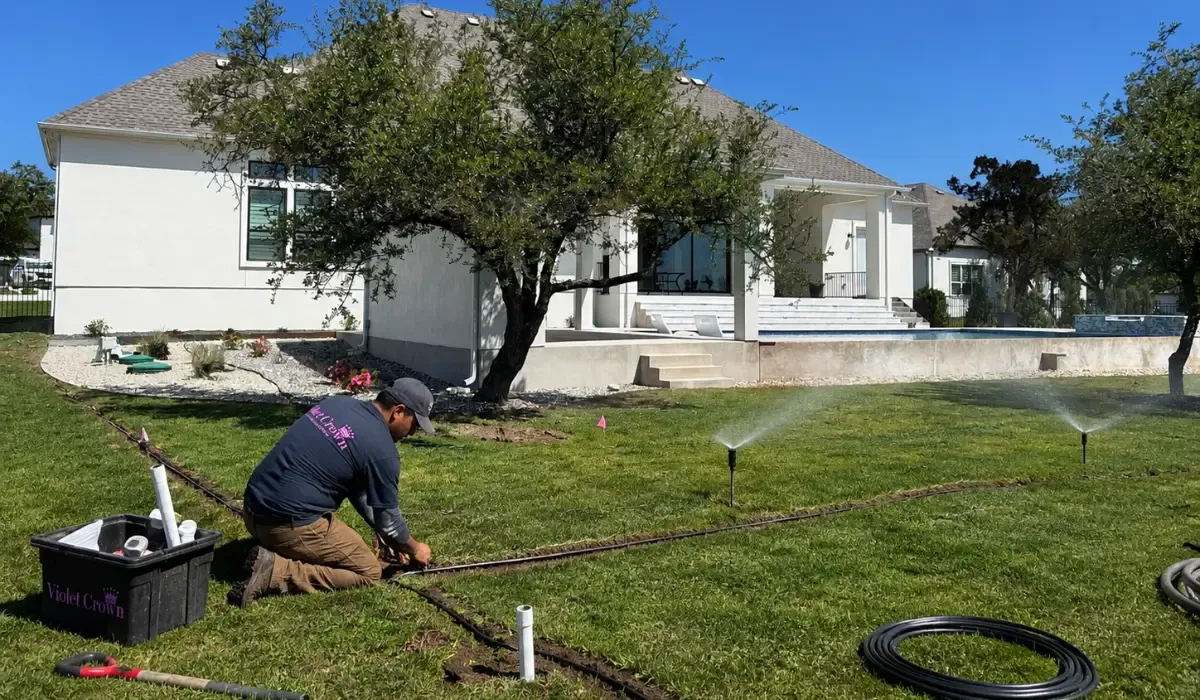
Don’t wait for summer heat to reveal irrigation issues. Here’s how to prep your system and avoid costly water waste. Irrigation system maintenance helps Austin property owners protect their landscapes, improve water efficiency, and reduce the risk of expensive repairs before temperatures begin to soar.
Summer places greater demand on every irrigation system in Austin. A sprinkler head that appears to be working properly during spring can leave large sections of turf stressed by midsummer, while a hidden leak may go unnoticed until water bills increase or planting beds begin struggling.
If you're unsure where to begin, use the inspection checklist below as a starting point. Many common irrigation problems can be identified before summer demand places additional stress on your landscape.
Why Regular Irrigation Maintenance Matters in Austin
Austin's combination of intense heat, periodic drought conditions, and watering restrictions can quickly magnify issues that seemed insignificant only a few weeks earlier.
As a family-owned Austin landscape company, we regularly inspect irrigation systems that appear to be functioning properly but contain hidden issues affecting coverage, efficiency, and plant health.
Regular maintenance improves water distribution, reduces waste, and supports healthier lawns, trees, and planting beds throughout the season. Consistent irrigation system maintenance also reduces the likelihood of unexpected repairs during Austin's hottest months.
Prevents Overwatering and Dry Spots
Uneven watering is one of the most common irrigation challenges homeowners face. Some areas receive more water than needed while other sections struggle to stay healthy.
Common warning signs include:
- Brown or thinning grass
- Standing water after irrigation cycles
- Wilting plants despite regular watering
- Areas that remain excessively wet
During summer inspections, we frequently discover that a single clogged nozzle or misaligned sprinkler head is responsible for problems homeowners initially assume require major repairs.
One issue we commonly see in Austin neighborhoods is sprinkler heads that have shifted after lawn maintenance or seasonal growth. A slight change in spray direction can leave portions of a lawn struggling while watering sidewalks and driveways instead.
Supports Water Efficiency During Drought Conditions
Water restrictions are a reality for many Austin homeowners. A properly maintained irrigation system directs more water into root zones instead of sidewalks, driveways, and already saturated areas.
Simple adjustments to schedules, coverage patterns, and run times often improve efficiency while supporting landscape health. The Texas Water Development Board offers additional guidance through its outdoor water conservation resources.
Protects Your Landscape Investment
Trees, lawns, garden beds, and outdoor living spaces all depend on reliable irrigation during Austin's hottest months. When irrigation systems fail to perform properly, the effects often appear quickly.
Routine maintenance protects your landscape investment and reduces preventable damage.
Key Pre-Summer Checks for Your Irrigation System
Most irrigation issues can be identified before they become expensive repairs. A proactive irrigation system maintenance routine allows property owners to address small concerns before they affect landscape health and water efficiency.
One of the most effective maintenance tasks is performing regular sprinkler zone checks. Running each zone individually helps reveal coverage gaps, damaged heads, pressure issues, and areas receiving too much or too little water.
Seasonal Irrigation Inspection Checklist
Review these areas to maintain healthy landscapes and efficient watering.
Sprinkler Heads
Check: Damage or misalignment
Why: Improves coverage
️
Nozzles
Check: Dirt and debris buildup
Why: Maintains spray patterns
⏱️
Controller
Check: Seasonal schedules
Why: Reduces water waste
Drip Lines
Check: Leaks or restrictions
Why: Supports plant health
Valves
Check: Proper operation
Why: Improves efficiency
Irrigation Zones
Check: Dry or saturated areas
Why: Identifies coverage issues
Inspect Sprinkler Heads and Nozzles
Walk through each irrigation zone while it is operating. Look for broken heads, clogged nozzles, uneven spray patterns, and water reaching hard surfaces instead of planting areas.
Many Austin homeowners are surprised by how much water can be lost from a single damaged sprinkler head.
We regularly encounter systems where a damaged head has been wasting water for weeks without being noticed. In many cases, homeowners contact us because of dry patches, only to discover the problem started with a small component that was easy to replace once identified.
Review Controller Settings
Controller schedules should change with seasonal conditions. Watering schedules that worked during spring often need adjustment once temperatures begin rising.
Review run times, watering frequency, start times, and rain-delay settings before temperatures increase.
Flush Drip Irrigation Components
Properties with drip irrigation austin systems should include seasonal flushing as part of routine maintenance. Mineral deposits and debris can gradually restrict water flow and reduce performance.
Homeowners planning future upgrades may find useful guidance in this article on irrigation system planning.
Why Early Repairs Matter Before Peak Heat
A slow leak or partially clogged nozzle may not seem urgent during spring. Once prolonged heat arrives, those same issues can create dry areas, stressed plants, and unnecessary water waste.
Properties experiencing recurring concerns often benefit from professional irrigation system solutions designed to improve efficiency and coverage.
Many homeowners discover the challenge is not adding more water. The real goal is delivering the right amount of water to the right areas at the right time.
Homeowners who continue seeing dry spots, runoff, or inconsistent coverage often benefit from a professional system review before investing in upgrades. A detailed inspection can reveal whether the issue involves equipment, zone design, pressure, or scheduling.
How Smart Controllers Can Help During Peak Heat
Austin weather can shift quickly from rainfall to extended dry periods. Irrigation schedules that remain unchanged often struggle to keep up with those conditions.
A properly configured smart controller helps irrigation systems adapt more effectively to changing weather patterns.
Weather-Based Scheduling
Traditional controllers follow fixed schedules. Smart controllers adjust watering schedules according to weather conditions and seasonal demand.
Benefits include:
- Reduced water waste
- Better moisture management
- Improved watering efficiency
- Fewer manual adjustments
This approach adjusts watering based on actual conditions rather than relying on a fixed schedule that may no longer match weather patterns.
Remote Monitoring and Adjustments
Many smart controllers allow homeowners to review schedules, monitor activity, and make changes from a mobile device.
This added visibility makes seasonal adjustments easier and helps identify performance issues sooner, especially as weather patterns shift throughout the year. Resources such as the EPA's WaterSense irrigation guidance also offer practical recommendations for improving irrigation efficiency and reducing unnecessary water use.
Improving Long-Term Water Efficiency
Smart controllers improve scheduling, but they cannot correct mechanical problems. A controller cannot fix a sprinkler head spraying into a driveway, a leaking valve, or a zone with uneven pressure. Those issues still require inspection and repair.
Many homeowners combine irrigation improvements with broader landscape upgrades. These spring garden design ideas demonstrate how efficient watering strategies and thoughtful plant selection can support long-term landscape success.
Homeowners who continue experiencing coverage problems often benefit from a professional review before investing in new equipment. Many irrigation issues originate from aging components or zone design rather than controller settings alone.
When to Call a Professional for Inspection
Some irrigation concerns are obvious. Others remain hidden until they begin affecting plant health, water usage, or overall landscape performance.
Many homeowners begin searching for lawn and landscape companies near me when recurring irrigation problems start affecting the appearance of their property. A professional evaluation can often identify the source of the issue before more extensive damage develops.
Uneven Watering Patterns
A lawn that remains healthy in one area while struggling in another often indicates a deeper irrigation issue. Coverage gaps, pressure inconsistencies, and aging components are common causes.
Professional testing helps determine whether the issue affects one zone or the entire system.
During Austin summers, uneven watering often becomes most noticeable along driveway edges, south-facing lawns, and planting beds exposed to afternoon sun. These areas typically reveal irrigation problems first because they experience higher heat stress.
Older Irrigation Zones and Components
Many older irrigation systems were installed before modern efficiency standards became common. Components that once performed adequately may now be limiting performance.
Targeted upgrades often improve coverage and efficiency without requiring a complete replacement.
Signs of Underground Damage
Underground leaks can be difficult to identify because they occur out of sight. Consistently wet soil, unexplained increases in water bills, pressure loss, and sinking areas may indicate hidden damage.
Professional diagnostics can pinpoint these issues before repair costs increase. In some situations, homeowners assume a landscape drainage problem is responsible for soggy areas. A closer inspection often reveals an underground irrigation leak that has gone unnoticed beneath the surface.
Addressing irrigation concerns before other outdoor work begins can help avoid unnecessary disruptions later. This residential landscape project shows how irrigation planning supports planting areas, hardscapes, and overall property use, while our Austin landscape services include irrigation work alongside landscape installation and outdoor living features.
Bonus Tip: Syncing Irrigation with Drought-Tolerant Landscaping
Efficient irrigation becomes even more effective when paired with thoughtful landscape design. Drought-tolerant landscapes often require less supplemental watering while remaining attractive throughout the hottest months of the year.
Match Watering Zones to Plant Needs
Grouping plants with similar moisture requirements into the same irrigation zone improves efficiency and reduces waste.
Examples include:
- Native shrubs
- Ornamental grasses
- Shade trees
- Perennial planting beds
Proper zoning helps ensure plants receive appropriate amounts of water without overwatering neighboring areas.
Support Native and Adaptive Plant Selections
Native and adaptive plants are often better suited to Austin's climate. Once established, these plants generally require less supplemental irrigation and perform more consistently during periods of extreme heat.
Native gardens benefit from dedicated irrigation zones designed around their specific watering requirements. This creates more efficient watering for native gardens while supporting healthier growth and reducing unnecessary water use.
Continue Adjusting Throughout the Season
Summer irrigation schedules should not remain static. Seasonal timer adjustments help ensure your system responds appropriately to changing rainfall, rising temperatures, and plant growth.
Homeowners looking for practical summer watering tips should monitor soil moisture, observe plant health regularly, and make gradual schedule adjustments as conditions change.
Many homeowners throughout Austin-area properties achieve better results when irrigation planning and landscape design work together.
Frequently Asked Questions
? How often should an irrigation system be inspected? Most Austin homeowners benefit from an inspection before summer and another during fall. Larger properties may benefit from additional evaluations. ? What causes dry spots in a lawn? Dry spots often result from clogged nozzles, broken sprinkler heads, pressure issues, or uneven spray coverage. ? Are smart controllers worth installing? Smart controllers improve efficiency by adjusting watering schedules according to weather conditions and seasonal demand. ? How do I know whether my drip irrigation system has a problem? Plant stress, uneven growth, dry soil near emitters, and inconsistent watering often indicate restrictions or leaks. ? Where can I find answers to additional irrigation questions? Our collection of common irrigation questions provides additional information for homeowners maintaining irrigation systems.
Ready for Summer? Here's the Next Step
️ Summer heat can expose irrigation issues that remained hidden during cooler months. Addressing those concerns early helps prevent larger problems and supports a healthier landscape. A seasonal inspection shows which zones are wasting water, which areas are under-watered, and whether repairs or schedule changes should come first. Homeowners seeking a clearer understanding of system performance can request a professional irrigation inspection to identify opportunities for improvement. Our company story reflects years of helping Austin homeowners build landscapes, outdoor living spaces, and efficient irrigation systems suited to Central Texas conditions.