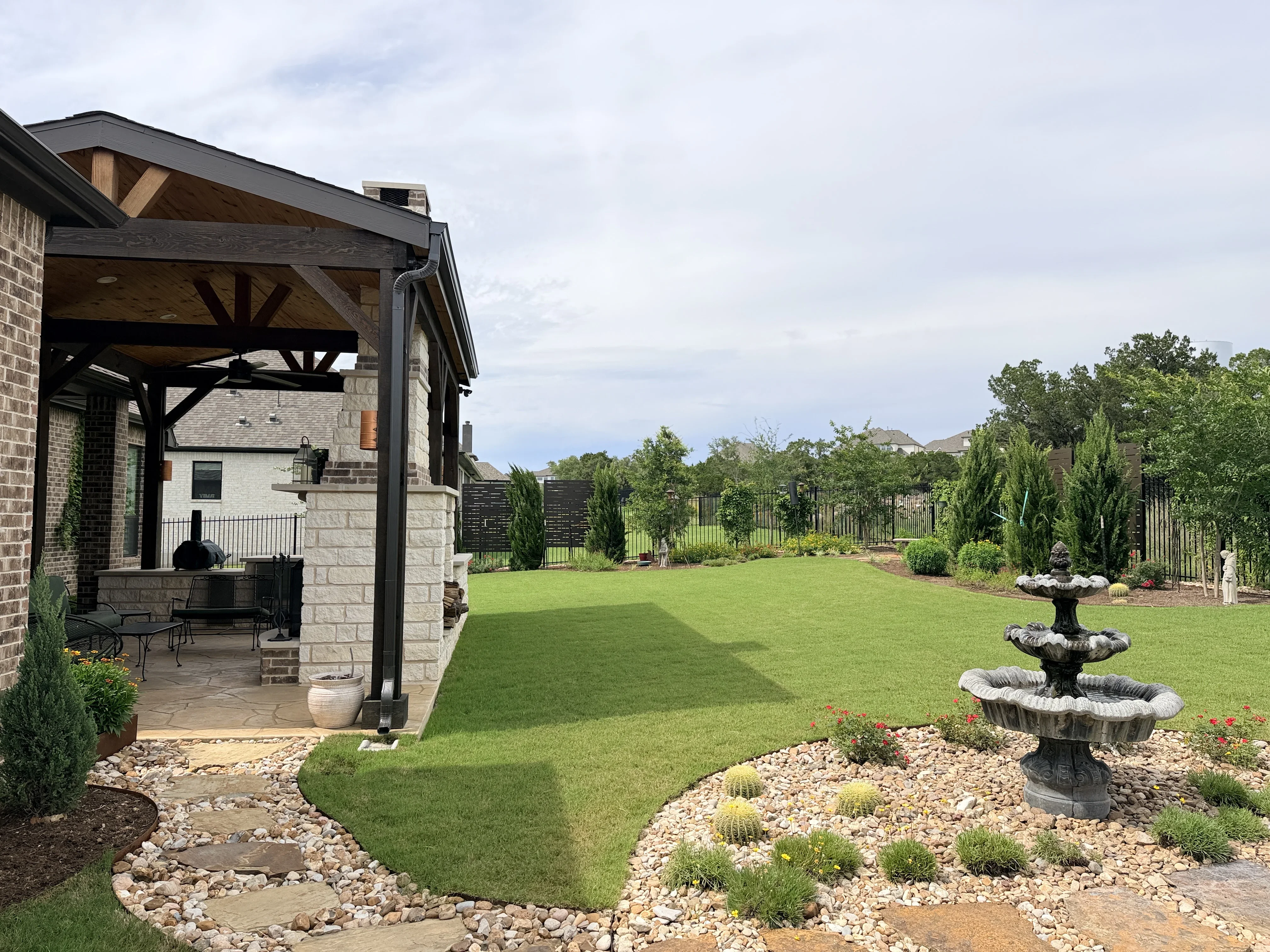
Is Your Garden Pet-Safe? Smart Design Tips for Furry Family Members
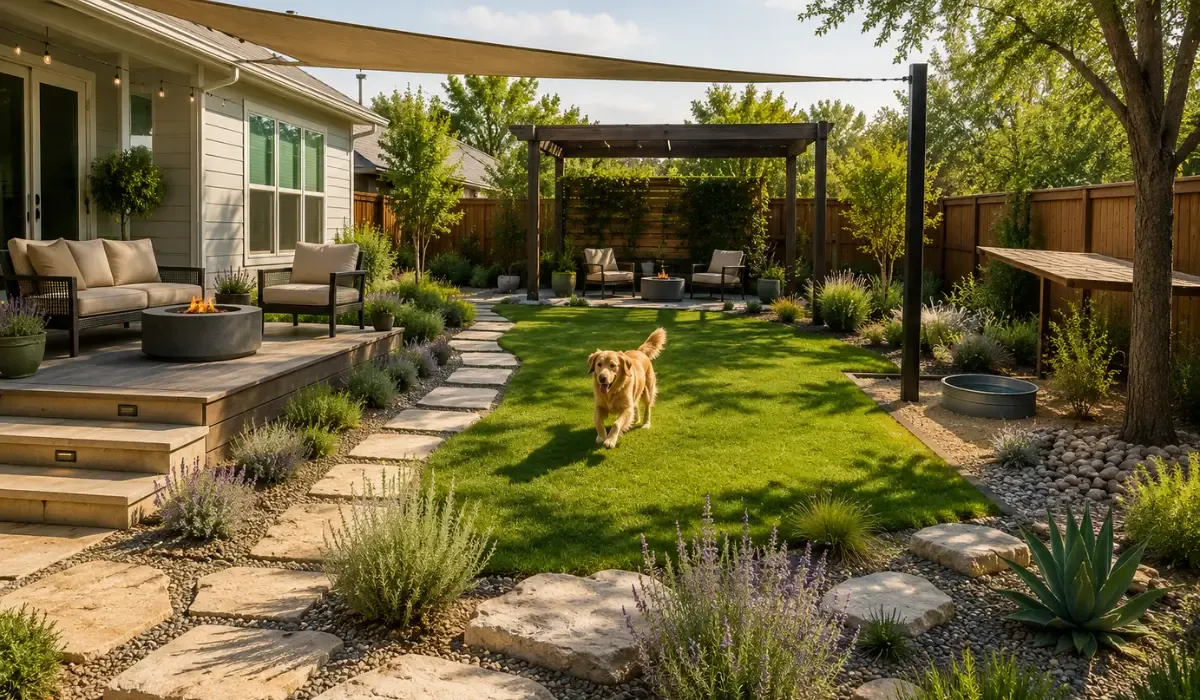
Your yard should be safe and fun for everyone, including pets. Here are smart garden design tips that protect your furry family. Warmer weather in Austin means dogs and cats spend more time outdoors. Extra activity often exposes hidden landscape problems like toxic plants, overheated surfaces, damaged flower beds, and worn lawn paths.
We help families create outdoor areas that feel comfortable, polished, and practical for everyday life at Violet Crown Austin Landscaping and Design. Many homeowners begin with custom garden designs that make outdoor time easier for kids, pets, and guests without turning yard care into a constant chore.
Hot concrete and gravel can become dangerous for pets during Austin summers, especially in late afternoon heat.
Why Garden Pet-Safe Design Matters in Austin
Many backyards were never designed around how pets actually use outdoor areas.
Dogs create repeated traffic patterns near fences, patios, and shaded corners. We often see worn paths forming along fence lines within a few weeks of warmer weather returning. Weak drainage, fragile planting beds, and sharp hardscaping materials usually become obvious once outdoor activity increases.
Common Landscape Hazards
Several common landscaping choices can create safety concerns for pets:
- cocoa mulch
- thorny plants
- chemical lawn treatments
- overheated stone surfaces
- weak drainage near patios
Increased Outdoor Play in Warmer Months
Spring and summer naturally increase backyard activity for both pets and families. That extra use tends to expose the same recurring problems every season.
| Backyard Issue | Common Cause | Smarter Landscape Solution |
|---|---|---|
| Worn lawn paths | Repeated pet traffic | Defined circulation routes |
| Broken flower beds | No boundaries movement | Zoned planting areas |
| Wet paw traffic | Poor drainage | Gravel edging and irrigation planning |
| Overheated pets | Limited shade | Trees and covered retreats |
Many homeowners combine pet-focused upgrades with spring irrigation planning to improve both landscape health and easier backyard care.
Dogs + fragile gardens = disaster?
Delicate planting beds usually struggle once active dogs begin running through the yard daily.
We design outdoor areas around real movement patterns first. During layout reviews, we look closely at:
- shade coverage
- drainage conditions
- pet movement
- gathering areas
Families reviewing broader Austin landscaping services often discover the layout itself is causing repeated upkeep frustrations.
The P.A.W.S. Backyard Safety Check
Many homeowners are unsure where to begin when evaluating pet safety. We use a simple planning approach called the P.A.W.S. Check during early landscape conversations.
Best Plant Choices That Are Safe for Dogs and Cats
Plant selection affects safety, upkeep, and long-term landscape performance.
Many popular ornamentals used in garden designs can irritate pets or create serious health concerns.
Avoid Toxic Plants Around Pets
Several common landscape plants should stay out of pet-accessible areas:
- sago palm
- oleander
- azalea
- foxglove
- lilies
The ASPCA maintains a helpful list of garden pet-safe and plant guidance for homeowners comparing safer planting options.
Go-To Safe Options for Austin Yards
Many pet-friendly landscapes rely on hardy plants that tolerate traffic, warmer temperatures, and changing weather conditions. Homeowners searching for safe plants for dogs usually want options that still look polished without creating extra upkeep problems.
Popular choices include:
- rosemary
- marigolds
- Boston ferns
- basil
- native grasses
These plants work especially well in pet friendly landscaping because they combine visual appeal with easier care.
Native Plants That Hold Up To Pet Wear
Native Texas plants are often better suited for active family yards because they already adapt well to local soil and climate conditions.
Good options include:
- Texas sage
- cedar sedge
- inland sea oats
These choices also support low-maintenance garden planning because they generally require less seasonal upkeep and watering.
Families often pair native planting with patios and gathering areas. Our guide to spring garden planning shares several ideas that work well for active Austin backyards.
Pet-Friendly Garden Layout Ideas
A strong layout solves many backyard problems before they begin.
Most dogs naturally repeat the same routes every day. Some patrol fence lines while others stay close to patios or shaded areas during hotter afternoons.
Zoned Play Areas
One large open lawn may seem practical, but concentrated traffic usually damages the same sections repeatedly.
Breaking the yard into separate zones often works better:
- active play space
- shaded retreat areas
- pathways
- planting sections
This approach keeps movement organized while helping protect planting beds.
Dig Pit / Sensory Zones
Some dogs naturally enjoy digging. Redirecting that behavior usually works better than constantly correcting it.
A dedicated digging zone with:
- soft soil
- sand
- shade
- hidden toys
can help preserve the rest of the landscape.
Many homeowners combine these features with custom outdoor living spaces so pets and family members can comfortably share the same backyard.
Pathways For Zoomies!
Dogs naturally create looping running routes around patios, fences, and lawn areas.
Defined pathways help:
- protect grass
- improve drainage
- reduce cleanup
- guide movement naturally
This works especially well in backyard planning Austin projects where pets and children use the same outdoor spaces daily.
Real Backyard Example From Austin
One Austin family contacted us after their two dogs repeatedly damaged grass near the back fence and patio area. The original layout included narrow planting beds, limited shade, and mulch that shifted constantly during rain.
We redesigned the yard with:
- decomposed granite pathways
- shaded resting zones
- durable turf sections
- native planting buffers
- improved drainage flow
The result gave the family a cleaner backyard with fewer muddy areas and less seasonal lawn repair. Their dogs also stopped cutting directly through flower beds once defined running paths were added.
Durable Materials That Handle Claws & Mess
The right materials can dramatically reduce ongoing upkeep problems.
Artificial Turf Vs. Real Grass
Artificial turf handles heavy pet activity well because it:
- stays green year-round
- reduces cleanup
- resists digging
Natural grass stays cooler but often requires reseeding, irrigation support, and seasonal repair. Many homeowners choose a blended layout with turf in active play zones and natural grass near gathering spaces.
Decomposed Granite Vs. Mulch
Traditional mulch shifts easily and often attracts digging behavior.
Decomposed granite usually performs better because it:
- compacts firmly
- drains efficiently
- creates cleaner walkways
That makes it popular in landscape designers Austin TX projects focused on easier care and long-term usability.
Washable Hardscaping
Sealed concrete, porcelain pavers, and textured stone generally clean more easily than rough unfinished materials.
Homeowners comparing outdoor material options can also review Texas yard planning guidance for climate and drainage considerations.
Bonus Features for Pet-Approved Backyards
Smaller upgrades often make outdoor areas more comfortable than homeowners expect.
Shaded Rest Areas
Austin summers can become uncomfortable quickly for pets without proper shade coverage.
Good shade solutions may include:
- pergolas
- canopy trees
- covered patios
- layered planting beds
Outdoor Water Stations
Built-in water access helps pets stay cooler during longer outdoor play sessions.
Some homeowners include:
- refill stations
- raised bowls
- splash features
Invisible Fencing Or Natural Barriers
Layered hedges, raised beds, and strategic planting often create softer barriers while still helping pets stay within safer areas.
We approach every project with real family use in mind because outdoor areas should feel comfortable, functional, and enjoyable year-round. Families wanting to learn more about our background and approach can visit our Austin landscaping company.
Many common landscaping questions are also covered in our Austin landscaping FAQs.
Create a Backyard That Works for the Whole Family
A pet-safe landscape should feel comfortable, practical, and visually balanced. The best outdoor areas protect pets while still giving families a place to relax and spend time together.
You can continue patching worn lawn sections and replacing damaged plants each season. Another option is building a landscape plan designed around how your family and pets actually use the yard.
We help homeowners throughout the Austin service areas create outdoor areas that feel easier to care for year-round.
Create a garden that’s beautiful, low-maintenance, and safe for your pets. Ask us about custom pet-friendly designs tailored to your backyard.
Questions about safer plants or pet-friendly layouts?
Seasonal note: Review pet walking surfaces, drainage areas, and shade coverage before peak summer temperatures arrive each year.