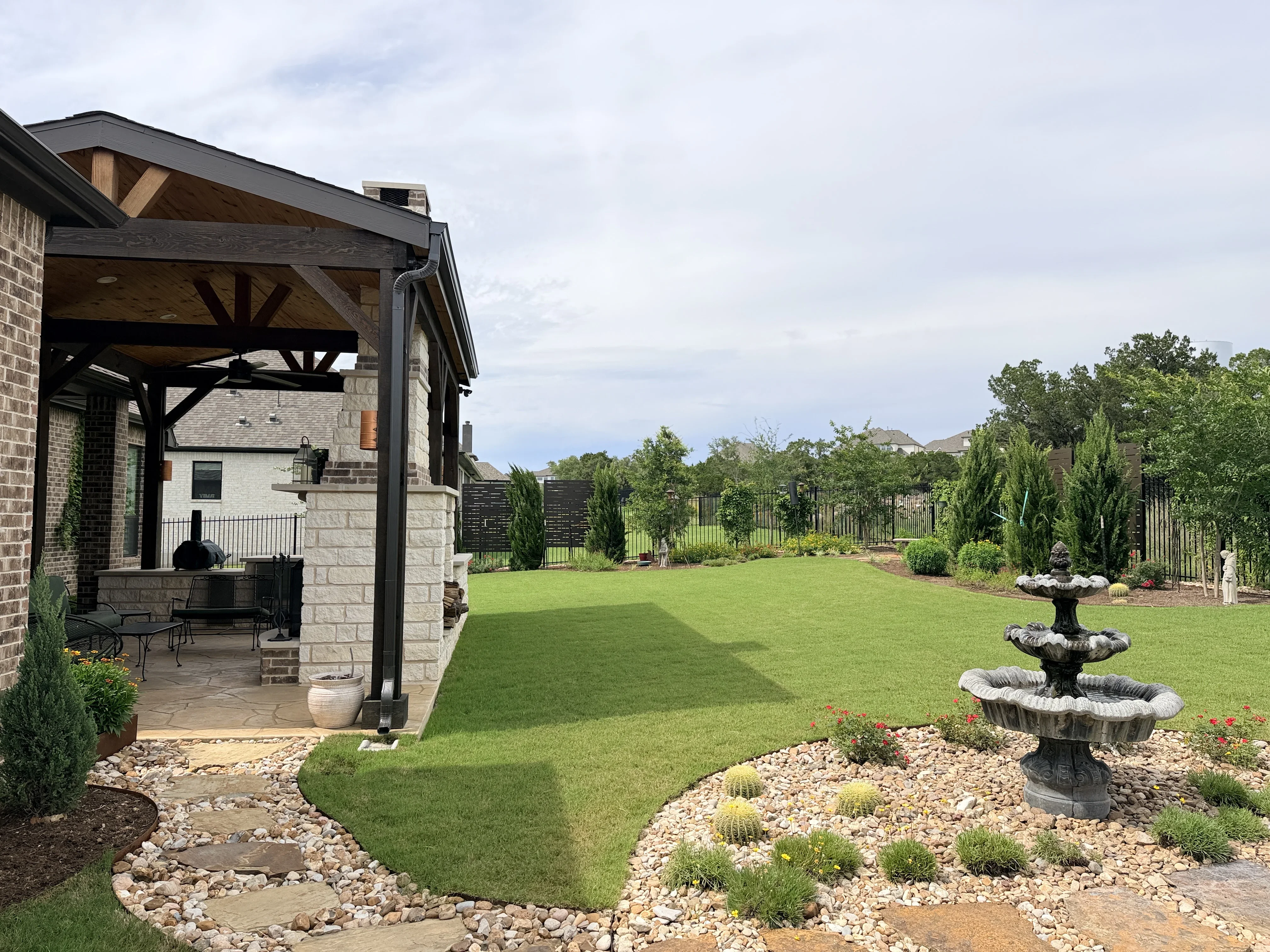
Designing a Veranda or Patio That Works Year-Round in Austin
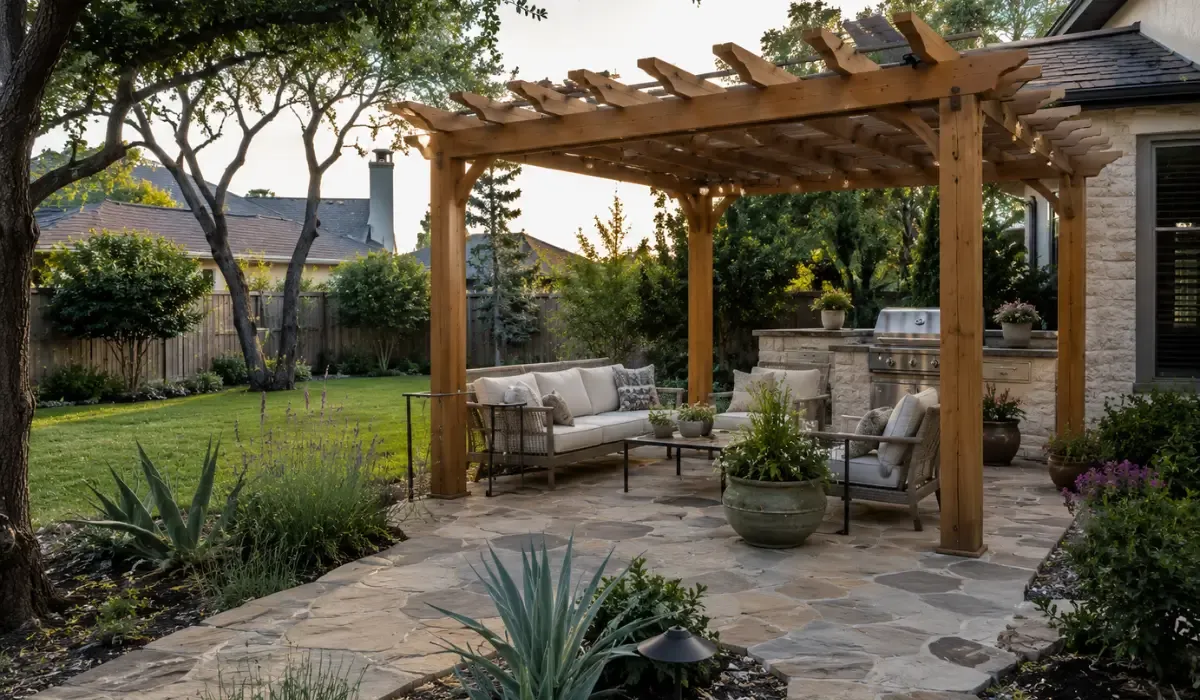
Make your outdoor space usable all year in Austin. Here’s how to design a Veranda or Patio that adapts to changing weather, supports daily living, and creates a comfortable setting through every season.
Violet Crown Austin Landscaping and Design works with Austin families who want outdoor spaces that support everyday living throughout the year. The most successful projects combine thoughtful planning, durable materials, and practical features that adapt to changing weather while complementing the way people use their property.
Austin residents increasingly treat outdoor areas as additional living space. Patios, verandas, outdoor kitchens, lighting, and landscaping now serve as extensions of the home rather than separate backyard features.
Why a Veranda or Patio Is Worth the Investment in Texas
Austin's climate allows outdoor living during much of the year. Mild Austin winters create additional opportunities for outdoor dining, relaxing, and entertaining. Comfortable winter afternoons often extend the usability of outdoor spaces far beyond what people experience in colder regions.
Some property owners initially focus on appearance. Long-term satisfaction usually comes from functionality. Spaces that support family dinners, entertaining, relaxation, and everyday use often become some of the most valuable areas of the property.
Several advantages make year-round outdoor design appealing:
- Expanded living space
- Better entertaining flexibility
- Greater daily enjoyment
- Improved property appeal
- Increased long-term value
In many real cases, people spend significantly more time outdoors once comfort barriers are removed.
Lifestyle Comparison
Standard Backyard vs. Year-Round Outdoor Living Space
A well-designed outdoor area often shifts from occasional seasonal use to a comfortable extension of daily family living and entertaining.
| Standard Backyard | Year-Round Outdoor Space |
|---|---|
| Seasonal use | Frequent use throughout the year |
| Limited function | Multiple lifestyle uses |
| Basic seating arrangements | Complete outdoor living area |
| Weather dependent | Climate-adaptable design |
| Occasional entertaining | Regular family gatherings and hosting |
Outdoor layouts often perform better when entertainment areas, circulation, and comfort features are planned together rather than added over time.
Homeowners exploring different configurations can review our deck, patio, and veranda design services to see how integrated planning helps create outdoor spaces that remain functional throughout the year.
Key Features That Make a Veranda or Patio Comfortable Through Every Season
Comfort determines how often outdoor spaces are used. Areas that remain comfortable during changing conditions typically receive greater value from families.
What we often see is a strong focus on appearance without enough attention given to airflow, shade, and temperature control. Those elements frequently determine whether a space becomes part of everyday life.
Shade Planning Improves Everyday Comfort
Summer heat can limit outdoor enjoyment when shade is not properly planned.
Effective shade solutions often include:
- Covered structures
- Pergolas
- Adjustable louvers
- Retractable canopies
- Strategic tree placement
The goal is not complete coverage. The strongest designs create sun/shade balance so people receive protection during hot weather while still enjoying natural sunlight during cooler months.
Two to three hours of afternoon sunlight can dramatically change outdoor comfort levels during July and August. Shade planning helps reduce heat buildup and improves usability throughout the day.
Comfort Features That Extend Outdoor Use
Many traditional backyards function as seasonal use outdoor spaces, remaining underutilized during periods of extreme heat, cold snaps, or changing weather conditions. Thoughtful comfort planning helps transform those areas into environments that support everyday activities throughout the year.
Temperature control, airflow, privacy, and weather protection all influence how frequently outdoor spaces are enjoyed. The most comfortable settings typically combine multiple features rather than relying on a single solution.
Popular additions include:
- Ceiling fans
- Infrared heaters
- Fireplaces and fire pits
- Misting systems
- Retractable screens
Families who entertain regularly may prioritize cooling systems during summer, while others place greater value on heating elements, ambient lighting, or additional privacy features.
Retractable screens add flexibility by helping reduce insects, soften glare, create privacy, and provide protection during changing weather conditions. Unlike permanent enclosures, they allow outdoor environments to adapt naturally throughout the day and across different seasons.
Guidance from the U.S. Department of Energy emphasizes the importance of passive cooling strategies, shade planning, and energy-conscious outdoor design. Combining proper airflow with climate-responsive features helps create outdoor spaces that remain comfortable well beyond traditional seasonal use.
Choosing the Right Materials for Austin's Climate
Material selection influences durability, maintenance, comfort, and lasting visual appeal. Austin's combination of intense sunlight, high temperatures, and occasional heavy rainfall creates unique challenges.
Certain attractive materials perform well initially but require significant upkeep over time. Choosing materials that align with climate conditions and maintenance expectations often produces better results over time.
Weather-Resistant Surfaces Deliver Better Longevity
Durable materials help maintain appearance while reducing maintenance concerns.
Popular options include:
- Natural stone
- Weather-resistant wood
- Porcelain pavers
- Concrete pavers
- Textured concrete finishes
People researching covered patio ideas often focus primarily on roofs and overhead structures. Surface materials influence comfort just as much.
Certain pavers remain cooler underfoot during summer months, creating a more comfortable experience for both families and guests.
Material color also matters. Dark surfaces often absorb additional heat while lighter finishes can remain noticeably cooler during the afternoon.
Composite Decking Continues to Grow in Popularity
Composite decking has improved considerably in recent years.
Common benefits include:
- Reduced maintenance
- Consistent appearance
- Resistance to rot
- Long service life
Projects involving deck patios and veranda concepts frequently benefit from comparing ownership costs rather than focusing entirely on installation expenses.
Wood offers natural beauty. Composite materials often appeal to people seeking simplicity and lower maintenance requirements.
Some products also resist fading and moisture damage more effectively than traditional lumber, helping preserve appearance over time.
SOUTHWEST AUSTIN PROJECT
Austin Project Example
️ One recent project involved a west-facing backyard in Southwest Austin where afternoon heat made the outdoor space difficult to use during summer months. The family wanted an area for dinners and weekend entertaining, yet direct sun exposure limited comfort after midday. The solution combined a covered structure, lighter-colored paving materials, ceiling fans, and strategic plant placement. After completion, the family reported using the outdoor space during evenings, weekends, and cooler winter afternoons. This project reinforced an important lesson. Small design decisions involving shade, materials, and airflow often have a greater impact on usability than expensive upgrades alone.
UV Protection Helps Preserve Appearance
Austin sunshine can accelerate fading and material deterioration.
Protective strategies may include:
- UV-resistant coatings
- Fade-resistant finishes
- Durable sealants
- Strategic shade placement
Properties exposed to strong afternoon sunlight often benefit from additional protection measures.
Violet Crown Austin Landscaping and Design regularly evaluates how sunlight moves across a property throughout the day before recommending material selections. That process helps align appearance, comfort, and durability goals.
Additional information about our experience, design philosophy, and local expertise is available through our company background and team.
Material performance depends on matching products to sun exposure, maintenance preferences, and the way families use their outdoor spaces. maintenance expectations, and daily use patterns.
Custom Add-Ons That Increase Function and Style
Outdoor spaces become more valuable when they support everyday activities rather than acting solely as visual features.
Some clients begin with a seating area and later realize they want cooking space, lighting, storage, and gathering zones.
Many projects expand during planning as homeowners begin prioritizing cooking, gathering, storage, and relaxation within a single outdoor setting.
Outdoor Kitchens Create Natural Gathering Areas
Cooking outdoors remains one of Austin's most popular lifestyle upgrades.
Popular additions include:
- Built-in grills
- Refrigeration
- Prep counters
- Outdoor bars
- Storage solutions
- Bar seating
Outdoor kitchens reduce trips indoors while encouraging social interaction during gatherings.
Properties designed around entertaining frequently benefit from kitchen layouts positioned near seating and dining areas. This arrangement improves convenience and keeps guests connected during meals.
Built-In Features Improve Space Efficiency
Integrated elements help maximize functionality.
Examples include:
- Bench seating
- Raised planters
- Privacy walls
- Decorative screens
- Storage features
Built-in solutions often provide better space utilization than standalone furniture.
People pursuing custom landscaping Austin projects frequently combine built-in features with broader landscape improvements to create a cohesive outdoor environment.
Our residential landscape design case study demonstrates how integrated planning improves both usability and visual appeal.
Lighting Extends Evening Enjoyment
A well-planned lighting system supports both safety and atmosphere.
Effective applications include: ️ Path lighting Improves visibility and movement after sunset. Accent lighting Highlights landscape focal points. Step lighting Supports safety around level changes. Entertainment lighting Creates a welcoming atmosphere for gatherings. ️ Architectural lighting Enhances textures, structure, and nighttime curb appeal. Integrated outdoor sound systems Supports immersive entertainment experiences throughout the landscape.
Outdoor projects often underperform because lighting receives attention too late in the planning process. The strongest results occur when lighting becomes part of the original design instead of an afterthought.
Lighting also influences how large a space feels after sunset. Soft illumination around seating areas creates comfort while focused lighting improves visibility near walkways and transitions.
Strategic lighting placement can reduce harsh contrasts and create visual layers throughout the landscape. Those layers help outdoor spaces remain inviting during every season.
Industry guidance from the American Society of Landscape Architects emphasizes designing outdoor environments around long-term functionality rather than appearance alone.
Additional guidance can be found in our landscape lighting installation mistakes article, which discusses planning decisions that affect long-term performance.
Blending Indoor and Outdoor Living Spaces
A seamless connection between indoor and outdoor areas often increases how frequently people use their outdoor environment.
Strong transitions create a feeling that outdoor living belongs to the home rather than existing as a separate destination. Visual consistency and convenient access encourage regular use throughout the year.
Designing Seamless Indoor-Outdoor Living
Strong outdoor spaces feel connected to the home rather than separated from it. Consistent materials, convenient access, and protected walkways encourage people to use outdoor areas as part of everyday life.
Common design strategies include:
- Similar flooring tones and textures
- Coordinated architectural details
- Sliding or multi-panel glass doors
- Covered walkways and breezeways
- Open sightlines between gathering spaces
Families often spend more time outdoors when movement between indoor and outdoor areas feels natural. Morning coffee, family meals, and evening gatherings become part of daily routines rather than special occasions.
Violet Crown Austin Landscaping and Design plans outdoor environments around how people move through a property, taking orientation, existing trees, and neighborhood conditions into account to create spaces that remain comfortable throughout the year.
Planning for Entertaining Throughout the Year
Entertaining habits often determine how successful an outdoor living space becomes. Spaces designed around actual usage patterns generally receive more consistent use.
Families frequently host different activities during the year:
Weekend cookouts Holiday gatherings ️ Casual dinners Outdoor celebrations Family activities
Comfort, circulation, and flexible seating often matter more than square footage. Guests naturally move between cooking areas, dining spaces, and conversation zones, making thoughtful layouts essential.
The strongest outdoor environments support daily life while adapting easily to larger gatherings throughout the year.
The Four-Layer Outdoor Comfort Framework
Successful outdoor spaces typically rely on four connected elements that influence comfort, usability, and durability throughout the year.
OUTDOOR LIVING FRAMEWORK
The Four Essential Design Layers
| Layer | Purpose |
|---|---|
| ️ Shade | Controls sunlight and heat |
| Comfort | Improves airflow and temperature |
| Function | Supports everyday activities |
| ️ Durability | Protects long-term value |
Beautiful outdoor spaces often struggle when one of these layers is missing.
Examples include:
- Shade without airflow may still feel hot.
- Durable materials without functionality may receive little use.
- Comfortable seating without protection may become seasonal.
- Attractive surfaces without durability may require frequent repairs.
This framework helps evaluate outdoor environments based on how people actually use them rather than appearance alone.
The strongest projects combine all four layers. Removing one element often affects the performance of the others.
Overlooked Factors That Influence Long-Term Success
Several important outdoor design decisions receive little attention during the early planning process.
Ignoring these factors can reduce comfort and increase maintenance demands over time.
Wind and Sun Exposure Matter More Than Expected
Austin properties experience significant differences in exposure depending on orientation.
West-facing yards often require:
- Additional shade
- Heat-resistant materials
- Strategic planting
Properties with mature tree canopies may require different solutions.
Understanding these microclimates helps improve comfort throughout the year. Even small changes in orientation can affect afternoon temperatures and overall usability.
Drainage Planning Protects Outdoor Investments
Water management plays a critical role in long-term performance.
Proper drainage helps:
- Reduce standing water
- Protect foundations
- Extend material lifespan
- Improve usability
Recommendations from Texas A&M AgriLife Extension consistently support proactive drainage planning as part of successful landscape design.
Drainage solutions often remain invisible after installation, yet they frequently protect the largest investments within the project.
Maintenance Expectations Should Match Lifestyle Goals
People often prefer all-weather materials because they reduce maintenance demands while maintaining appearance.
Natural stone, quality concrete products, porcelain pavers, and composite decking frequently perform well under Austin conditions because they balance durability, maintenance, and long-term appearance.
Outdoor improvements can also influence property appeal. Buyers often view thoughtfully designed outdoor spaces as valuable lifestyle features, particularly in regions where outdoor living remains practical during much of the year.
Those evaluating broader outdoor improvements may find additional value in our outdoor living spaces and home value article, which discusses how outdoor investments influence buyer perception.
Austin Design Trends Shaping Outdoor Living in 2025 and 2026
Outdoor living preferences continue to evolve throughout Austin neighborhoods. Families increasingly prioritize comfort, flexibility, and long-term value rather than purely decorative improvements.
One noticeable trend involves designing spaces that support multiple activities throughout the day. Morning coffee areas, afternoon shade retreats, evening entertaining zones, and outdoor dining spaces have become increasingly popular.
Several trends continue influencing outdoor design:
- Flexible seating arrangements
- Integrated lighting systems
- Outdoor work areas
- Multi-purpose gathering spaces
- Low-maintenance materials
- Water-efficient landscapes
Properties with mature trees often benefit from preserving existing shade while introducing additional structures that improve usability.
People living in western portions of Austin frequently experience stronger afternoon heat exposure. Central neighborhoods and heavily shaded properties may require different planning strategies.
Understanding these microclimates helps guide better decisions regarding materials, shade structures, and seating placement.
Additional features often evolve naturally as families spend more time outdoors and discover new ways to use their space.
Balanced designs that prioritize usability alongside aesthetics often adapt more easily as family needs evolve.
Making the Right Outdoor Living Investment
Year-round outdoor living depends on thoughtful planning rather than isolated upgrades.
The most successful spaces combine shade, airflow, lighting, durable materials, and layouts that support everyday activities. When these elements work together, outdoor environments become natural extensions of the home rather than occasional-use features.
Climate conditions, entertaining habits, maintenance expectations, and material performance all influence the final outcome. Property owners who consider these factors early often create spaces that remain enjoyable through changing seasons.
Questions involving maintenance schedules, irrigation planning, material longevity, and construction expectations frequently arise during the design process. Homeowners considering broader landscape design and installation services often find that coordinating patios, planting, lighting, drainage, and outdoor living features together creates a more cohesive result. Additional guidance is available through our landscape design FAQs.
YEAR-ROUND OUTDOOR LIVING
Ready to Create an Outdoor Space Built for Every Season?
Austin's climate creates tremendous opportunities for outdoor living, but lasting comfort comes from planning that reflects how people actually use their property. A carefully designed Veranda or Patio can support entertaining, relaxation, family time, and everyday living while maintaining long-term value.
Violet Crown Austin Landscaping and Design creates outdoor environments tailored to the goals of Austin families, combining thoughtful design with practical solutions that perform well year after year.